



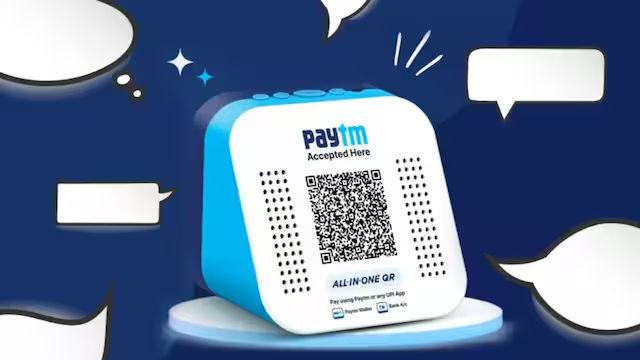
Paytm’s parent company, One97 Communications, witnessed a sharp decline in its stock price on June 12, with shares tumbling nearly 10% intraday, triggered by market speculation around the reintroduction of Merchant Discount Rate (MDR) fees on UPI transactions. The sudden drop came after the Finance Ministry publicly clarified that it had no plans to implement such charges, contradicting earlier reports that had sparked investor optimism.
What Happened?
The stock opened lower and continued its downward trajectory, hitting a session low of ₹864 before slightly recovering. By midday, Paytm was still trading over 8% lower. The market reaction followed reports suggesting that the government might allow payment platforms to charge MDR on UPI transactions—a move that could have improved monetization prospects for players like Paytm.
However, in a swift response, the Ministry of Finance issued a statement on social media platform X (formerly Twitter), calling the reports “baseless and misleading.” The ministry reaffirmed the government’s commitment to keeping UPI transactions free for users and merchants, a stance that directly impacted fintech firms counting on potential fee-based revenue streams.
Why It Matters for Paytm
MDR refers to the fee that merchants typically pay to payment service providers for digital transactions. Currently, UPI is free of MDR, limiting how much companies like Paytm can earn from the platform. In the absence of this fee, UPI services rely heavily on alternate revenue models such as lending, subscription services, or merchant promotions.
With UPI handling over 18 billion transactions in May 2025, fintech firms were hoping that regulatory changes would allow them to capitalize on this massive volume. The Payments Council of India and other industry stakeholders have long pushed for MDR to be reinstated, especially for high-value transactions, arguing that it would encourage innovation and improve service quality.
Market Reaction and Analyst Take
The stock market viewed the Finance Ministry’s denial as a negative development. According to analysts from UBS, the non-introduction of MDR could significantly impact Paytm’s financial projections, potentially cutting over 10% of core profits for FY26 and FY27.
This reaction underscores the sensitivity of Paytm’s valuation to regulatory updates. As a company that has been striving for profitability amid competition and pricing pressure, losing out on a new revenue stream like MDR is a major setback.
Investor Implications
For investors, the episode raises broader concerns:
- Revenue Uncertainty: Without MDR, monetizing UPI continues to be a challenge.
- Regulatory Risk: Share prices remain volatile and closely tied to government policy.
- Need for Diversification: Paytm must continue exploring alternate models such as lending, insurance, or enterprise solutions.
The dramatic fall in Paytm’s stock underscores the tightrope that Indian fintech companies walk between innovation and regulation. While UPI remains a technological success, its current zero-cost structure for merchants leaves little room for platform profitability. For Paytm, the road ahead will depend on how effectively it can pivot toward sustainable revenue channels without relying on policy changes that may never materialize.




