



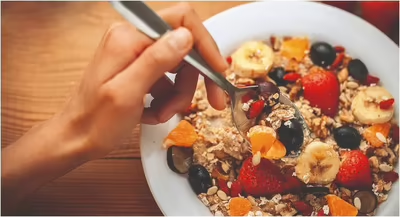
A fresh wave of health enthusiasm is sweeping social media with the buzzword “fibremaxxing” — the practice of dramatically increasing dietary fibre intake through foods like chia seeds, lentils, whole grains, and leafy greens. What’s behind this viral trend, and is it safe to supercharge your fibre levels?
What is Fibremaxxing?
Coined on platforms like TikTok, fibremaxxing revolves around consciously prioritising fibre-rich foods throughout the day to support optimal health. Popular content creators showcase meals loaded with beans, whole grains, colourful produce, and hearty smoothies, all under the promise of boosting digestion, satiety, and overall wellness.
Health Benefits Doctors Applaud
Experts largely agree that many people fall short of the recommended 25–38 g of fibre daily. By upping that intake, fibremaxxing delivers several benefits:
- Gut Microbiome & Digestion: Fibre feeds beneficial gut bacteria, promoting regular bowel movements and digestive comfort.
- Weight Management: Fibre provides fullness without calories, helping curb overeating and aiding weight loss.
- Blood Sugar and Cholesterol Control: Soluble fibre slows sugar absorption and helps lower LDL (“bad”) cholesterol.
- Disease Prevention: High fibre intake has been linked to reduced risks of type 2 diabetes, heart disease, and colorectal cancer.
Pay Attention to Overdoing It
But more isn’t always better. Nutritionists warn against sudden, excessive fibre increases, which can lead to cramping, bloating, gas, and nutrient absorption issues.
- Start slow: Increase fibre intake gradually to give your gut time to adjust.
- Diversify fibre sources: Balance soluble (oats, beans) and insoluble fibre (vegetables, whole grains) to support both digestion and microbiome health.
- Stay hydrated: Drinking plenty of water helps fibre move smoothly through the digestive system.
Smart Ways to Fibremaxx
Practical ways to embrace fibremaxxing include:
- Add a fibre-rich food to every meal or snack, such as berries in your yogurt or beans in salads.
- Flip to whole grains: Swap white bread or pasta for whole-grain or legume-based alternatives.
- Snack smart: Go for nuts, seeds, and fruits like kiwi or dragon fruit.
- Blend green smoothies with spinach, chia, and oat bran for a refreshing fibre boost.
Who Should Be Cautious
While generally beneficial, certain groups should seek medical advice before maxing out fibre:
- Those with gut conditions like IBS, SIBO, or IBD should increase fibre slowly.
- Older adults may need tailored plans due to changes in digestion.
- People with malabsorption syndromes should consult a nutritionist before significantly altering their diet.
The fibremaxxing trend offers a grounded, science-backed framework to address common dietary deficiencies. With mindful adoption — gradually increasing fibre from diverse whole-food sources and staying hydrated — it can improve digestive health, promote weight management, and support chronic disease prevention. But one-size-fits-all doesn’t apply: if you’re older or have gut sensitivities, personalised advice is essential.




