



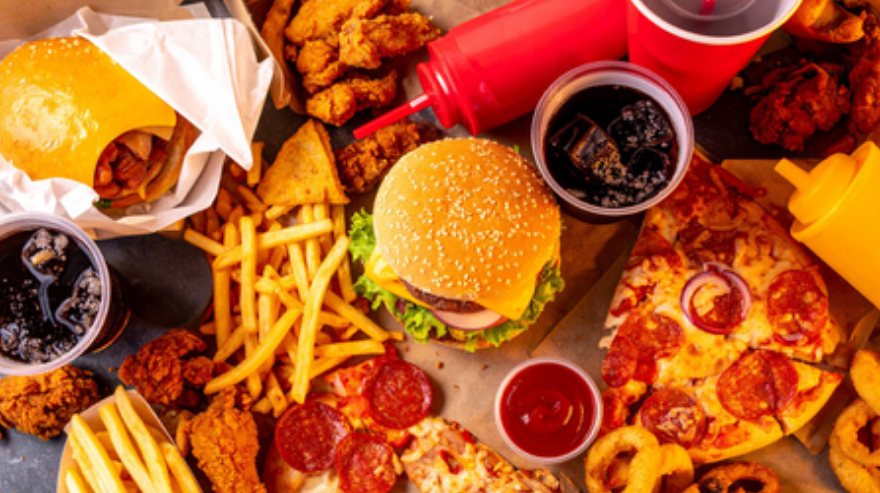
A growing body of scientific evidence has issued a stark warning: even low and regular consumption of ultra-processed foods (UPFs) significantly increases the risk of cancer, type 2 diabetes, heart disease, and premature death.
In a comprehensive 30-year analysis tracking the diets of over 540,000 individuals, researchers found no safe threshold for consuming ultra-processed foods. The findings, supported by multiple recent studies and reviews, are reshaping how public health experts view processed nutrition.
What Are Ultra-Processed Foods?
Ultra-processed foods include items that are industrially formulated with ingredients not commonly used in home cooking, such as artificial flavors, colorings, emulsifiers, preservatives, and sweeteners.
Examples include:
- Packaged snacks (chips, cookies)
- Sugary cereals
- Instant noodles
- Processed meats (sausages, hot dogs, deli slices)
- Sweetened beverages and sodas
- Ready-to-eat frozen meals
Despite their convenience and popularity, these foods are nutrient-poor and calorie-dense, with additives that may disrupt metabolism, gut health, and hormonal balance.
Alarming Study Results
According to the Harvard-led study spanning three decades:
- Individuals with higher UPF intake had a 15–30% increased risk of early death.
- Processed meats, in particular, were associated with significantly higher cancer rates, especially colorectal cancer.
- Even individuals consuming modest amounts of UPFs regularly saw elevated risks of type 2 diabetes and cardiovascular disease.
A separate meta-analysis of over 45 studies, involving millions of participants globally, concluded that no level of processed meat intake is without health risk, debunking earlier assumptions that small amounts are harmless.
Why UPFs Are So Harmful
Researchers point to several biological mechanisms:
- Chronic inflammation is caused by artificial additives and poor nutrient quality.
- Insulin resistance from excess sugar, refined carbs, and unhealthy fats.
- Gut microbiome disruption which weakens immune and metabolic health.
- Addiction-like effects, leading to overeating and poor diet diversity.
A Public Health Crisis in the Making
Health experts are calling for urgent policy changes, including:
- Front-of-pack warning labels for UPFs
- Restrictions on marketing to children
- Taxation on sugary, heavily processed foods
- Public education campaigns to promote whole, minimally processed diets
“It’s not just about weight gain anymore,” said Dr. Elena Mitchell, a lead researcher. “We’re talking about fundamental metabolic damage that builds up over time.”
Despite growing awareness, ultra-processed foods still make up 50–60% of total calorie intake in many Western diets, and the trend is rising globally.
Convenience comes at a steep cost. The latest research confirms that even small, consistent consumption of ultra-processed foods can silently erode long-term health. As the evidence mounts, doctors and scientists are urging a rethink of our modern food systems—before the next public health crisis is fully upon us.




