



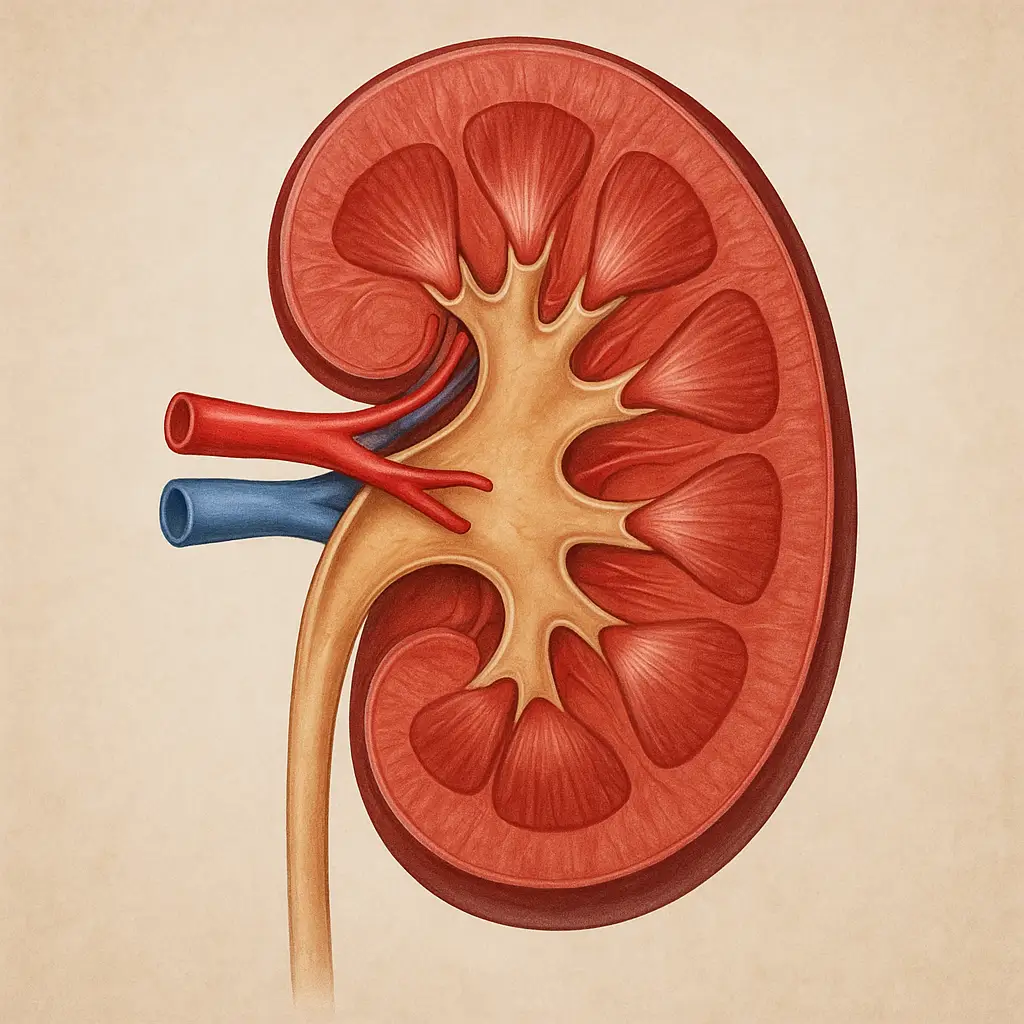
- A recent study by the Ram Manohar Lohia Institute of Medical Sciences (RMLIMS) in Lucknow has revealed a strong association between toxic metal exposure and Chronic Kidney Disease of Unknown Etiology (CKDu) in agricultural communities of Eastern Uttar Pradesh. By analyzing 211 CKDu patients and 214 healthy individuals, the researchers measured six metals in blood and urine—cadmium, arsenic, aluminum, nickel, mercury, and lead. Among these, cadmium had the most significant correlation, accounting for 41% of CKDu risk, followed by arsenic at 32% and aluminum at 17%. Elevated metal levels were inversely related to kidney function measured via eGFR.
Though causality isn’t confirmed, environmental contamination from groundwater, soil, or agrochemicals is suspected. The study calls for a deeper investigation into contamination sources, public health interventions, and comparative analysis with urban CKD cases.
To address this, RMLIMS has launched a rural kidney screening campaign in Juggaur, near Lucknow. Led by nephrology and community medicine experts, the campaign will test 2,500 villagers over 2–3 years, focusing on environmental risk factors like heavy metals and pesticides.
Subtle Early Signs You Shouldn’t Ignore
Chronic kidney disease often progresses silently. Health experts stress the importance of recognizing early symptoms that people commonly overlook:
- Mild back pain just below the rib cage that doesn’t change with movement may signal kidney discomfort—unlike regular muscle pain.
- Other subtle signs include persistent fatigue, dry itchy skin, swelling in ankles or face, urinary changes (frequency, foamy or bloody urine), and loss of appetite or nausea due to toxin build-up.
- Additional red flags: foamy or discolored urine, puffy eyes, and muscle cramps. Early detection through simple urine and blood tests can help manage the disease effectively.
Global Health Context & Why Awareness Matters
CKD affects millions worldwide and often remains undiagnosed until advanced stages. Heavy metals like cadmium and arsenic are known nephrotoxins that can harm kidney function over time. Exposure, especially when mixed, can significantly elevate CKD risks, particularly among highly exposed populations like agricultural workers.
The combination of silent early symptoms and environmental risks amplifies urgency for regular screening and public education—particularly in rural and low-income areas.
What You Can Do Now
- Mild back pain just below the rib cage that doesn’t change with movement may signal kidney discomfort—unlike regular muscle pain.
- Consult your doctor if you experience any early warning signs—swelling, fatigue, back discomfort, or urinary changes.
- Support and follow local screening programs like the one in Juggaur, as they focus on early detection and preventive care.
- Advocate for environmental safety, clean water, and regulation of agrochemical pollution in high-risk zones.




