



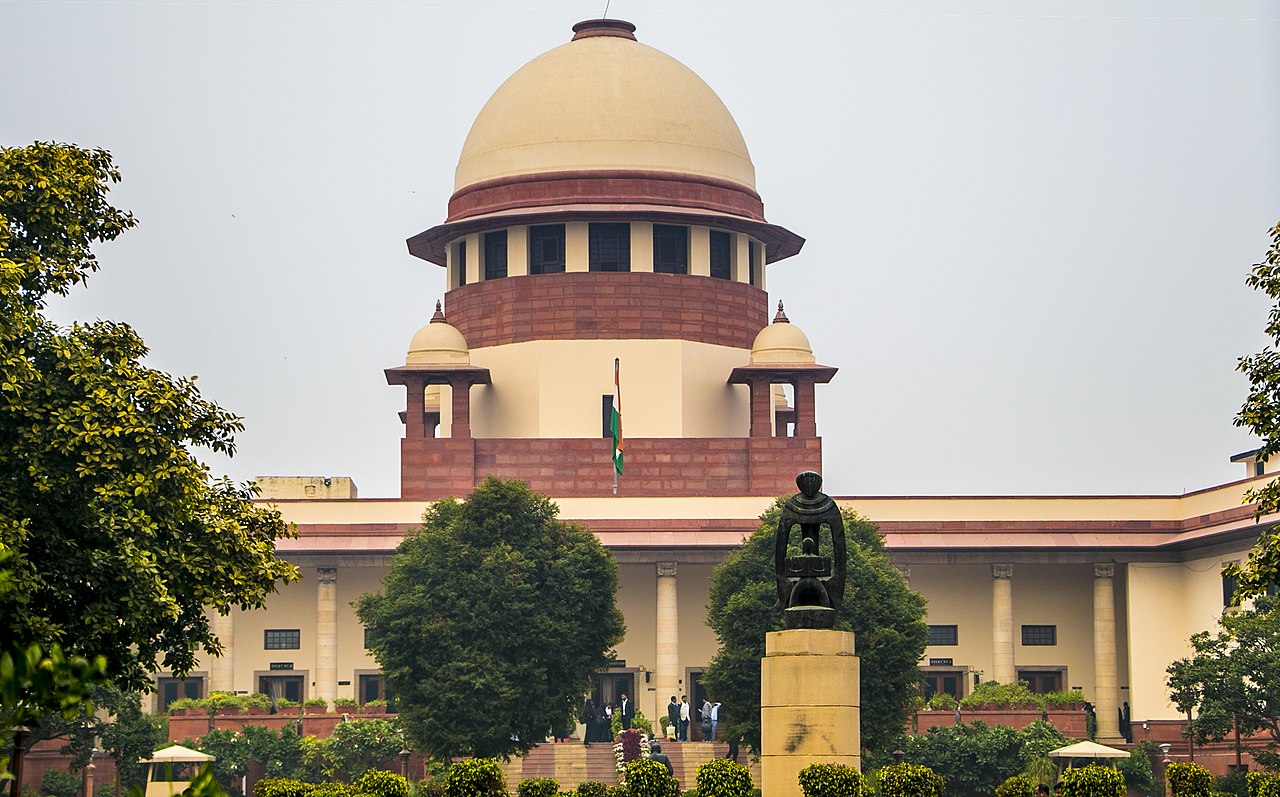
The Supreme Court of India on Friday declined to grant an interim stay on the Election Commission’s ongoing revision of electoral rolls in Bihar. The decision came in response to a group of petitions challenging the process, citing concerns over alleged irregularities and the lack of adequate safeguards to protect voters’ data.
A bench headed by Chief Justice D.Y. Chandrachud took note of the pleas but opted against halting the revision exercise, instead scheduling the matter for a detailed hearing on July 10, 2025.
The petitioners—represented by senior advocates including Kapil Sibal—argued that the state government and Election Commission had failed to follow due process and transparency while revising electoral rolls. Concerns were raised over the involvement of caste-based data and whether it could influence the upcoming Bihar Assembly elections.
However, the apex court said it was not inclined to pass an interim order at this stage, particularly when the Election Commission has not yet published the final voter lists. “Let the Election Commission respond. We will hear the case next week,” Chief Justice Chandrachud said, issuing notices to both the Election Commission and the Bihar government.
The backdrop to the Controversy
The revision of electoral rolls in Bihar has been mired in controversy following allegations that the state’s caste survey and Aadhaar data were being used to influence the voter database. Petitioners claim this violates privacy norms and undermines free and fair elections.
The Election Commission, on its part, has maintained that the revision is a routine exercise conducted across all states as part of preparations for upcoming elections. Officials have assured that the final rolls will be made public and subject to public objections before finalization.
Sources within the Commission also clarified that the revision in Bihar is being done in accordance with the Representation of the People Act, 1950, and the Registration of Electors Rules, 1960.
Political Ramifications
With Bihar expected to go to polls later in 2025, the controversy has taken a political turn. Opposition leaders have accused the ruling parties of attempting to manipulate voter demographics through selective deletions and additions to the voter list.
RJD leader Tejashwi Yadav has called the revision exercise “a backdoor strategy to disenfranchise marginalized groups,” while the BJP maintains that the exercise is being done as per standard electoral protocols.
The Supreme Court will now hear the case in detail on July 10, when both the Bihar government and the Election Commission will have the opportunity to respond formally. Legal experts believe the court is likely to delve into whether the revision process followed adequate checks and whether there was any violation of individual rights.




