



In a significant overhaul of India’s sports administration, Parliament has passed two critical pieces of legislation—the National Sports Governance Bill, 2025, and the National Anti-Doping (Amendment) Bill, 2025—marking a historic moment poised to reshape the country’s sporting ecosystem.
Bills Passed Amid Parliamentary Tensions
On August 11, the Lok Sabha cleared both bills via voice vote amid disruptions unrelated to sports legislation. Opposition protests over Bihar voter roll revisions created an intense atmosphere during the session.
The Rajya Sabha followed suit on August 12, granting final legislative approval. Union Sports Minister Mansukh Mandaviya hailed the reforms as the “single biggest sports reform since independence,” essential for India’s ambition to host the 2036 Olympic Games.
Governance Overhaul: Key Provisions of the National Sports Governance Bill
The bill introduces several transformative measures aimed at injecting fairness and accountability into sports administration:
-
National Sports Board (NSB): Authorized to recognize or derecognize National Sports Federations (NSFs), ensuring adherence to ethical norms and audited financial management.
-
National Sports Tribunal: A fast-track dispute resolution panel with civil-court powers, run by retired judges to ensure efficient adjudication of sports-related appeals.
-
Election Oversight: A National Sports Election Panel will monitor NSF polls for fairness.
-
Gender Representation & Athlete Inclusion: Executive Committees must include at least two “outstanding sportspersons” and four women, with term limits and age caps defined.
A contentious provision modifies the Right to Information (RTI) requirement for major bodies like the BCCI, easing transparency obligations.
Anti-Doping Framework Strengthened
The Anti-Doping (Amendment) Bill aligns Indian regulations with global norms by:
-
Granting operational autonomy to NADA, shielding it from administrative pressures.
-
Mandating the use of WADA-accredited labs and formalizing appeals through restricted channels, including the Court of Arbitration for Sport.
These changes aim to fortify India’s credibility in clean sports and international compliance.
Deep Dive: P. T. Usha’s Endorsement
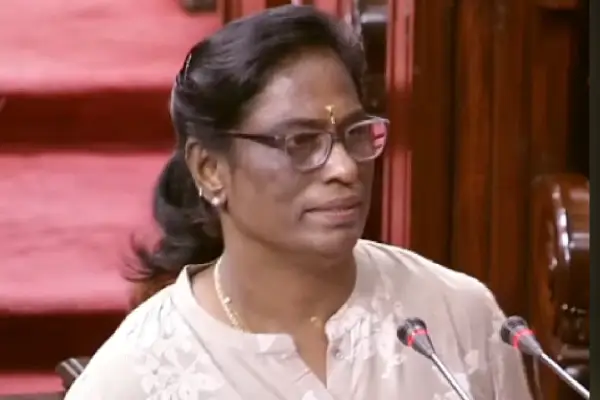
Olympian P. T. Usha, President of the Indian Olympic Association, offered strong support for the reforms during a Rajya Sabha speech. She called the bills a “clarion call for action,” pledging renewed hope for athlete support and systemic fairness.
Calls for a Joint Parliamentary Committee (JPC)
Despite the legislation’s passage, opposition MPs—including Kerala’s NK Premachandran—called for broader debate through a Joint Parliamentary Committee, warning of the bills’ far-reaching implications for athletes, federations, and India’s global sports standing.
Meanwhile, Premachandran criticized the expedited Lok Sabha passage, regretting the lack of thorough scrutiny via a Select Committee process.




