



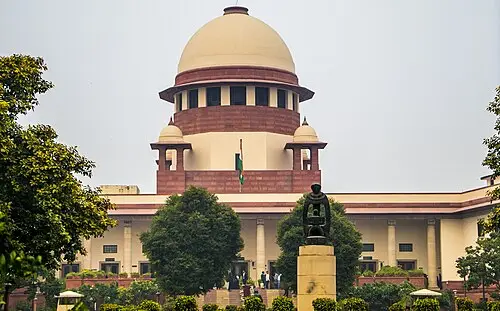
The Supreme Court of India, on September 11, 2025, declined to list urgently a Public Interest Litigation (PIL) seeking the cancellation of the India vs Pakistan Asia Cup T20 match. The match is scheduled for September 14 in Dubai.
A bench headed by Justices J.K. Maheshwari and Vijay Bishnoi heard the matter. When the petitioner’s lawyer argued for immediate listing, the bench asked, “What is the urgency? It’s a match, let it be.”
Grounds of the Plea
The PIL was filed by four law students led by Urvashi Jain. They argued that playing the match so soon after the Pahalgam terror attack and Operation Sindoor would be against national interest and hurt the sentiments of the victims’ families.
Key claims in the petition include:
- Holding the match undermines the sacrifices of armed forces and civilians.
- That cricket should not take precedence over national dignity or security.
- The petition also sought directions to implement India’s National Sports Governance Act, 2025, and bring the Board of Control for Cricket in India (BCCI) under the Ministry of Youth Affairs & Sports.
Why the Court Was Unmoved
The bench repeatedly questioned the urgency, noting that the match is on Sunday and delays in listing would render the plea ineffective. “Match is this Sunday? What can we do about that?” was a remark reflecting the Court’s view that last-minute legal intervention was impractical.
The Justices also said that neither side’s case strength was the issue for urgent listing; what mattered was whether there was a compelling reason to intervene before the match. The answer was: Court saw none.
Match Scheduled Despite Plea
India and Pakistan remain set to play their Asia Cup 2025 match in Dubai on September 14 in Group A of the tournament. This fixture carries both sporting significance and deep public interest, given the long cricketing rivalry between the two nations.
Broader Significance & Reactions
- The plea underscores how sharp public sentiments have become following the Pahalgam terror attack.
- It raises questions about the role of sports in international and national diplomacy, especially when relations between countries are tense.
- The Supreme Court decision signals judicial restraint in interfering with scheduled sporting events, particularly when scheduling and governance fall under sporting bodies.




