



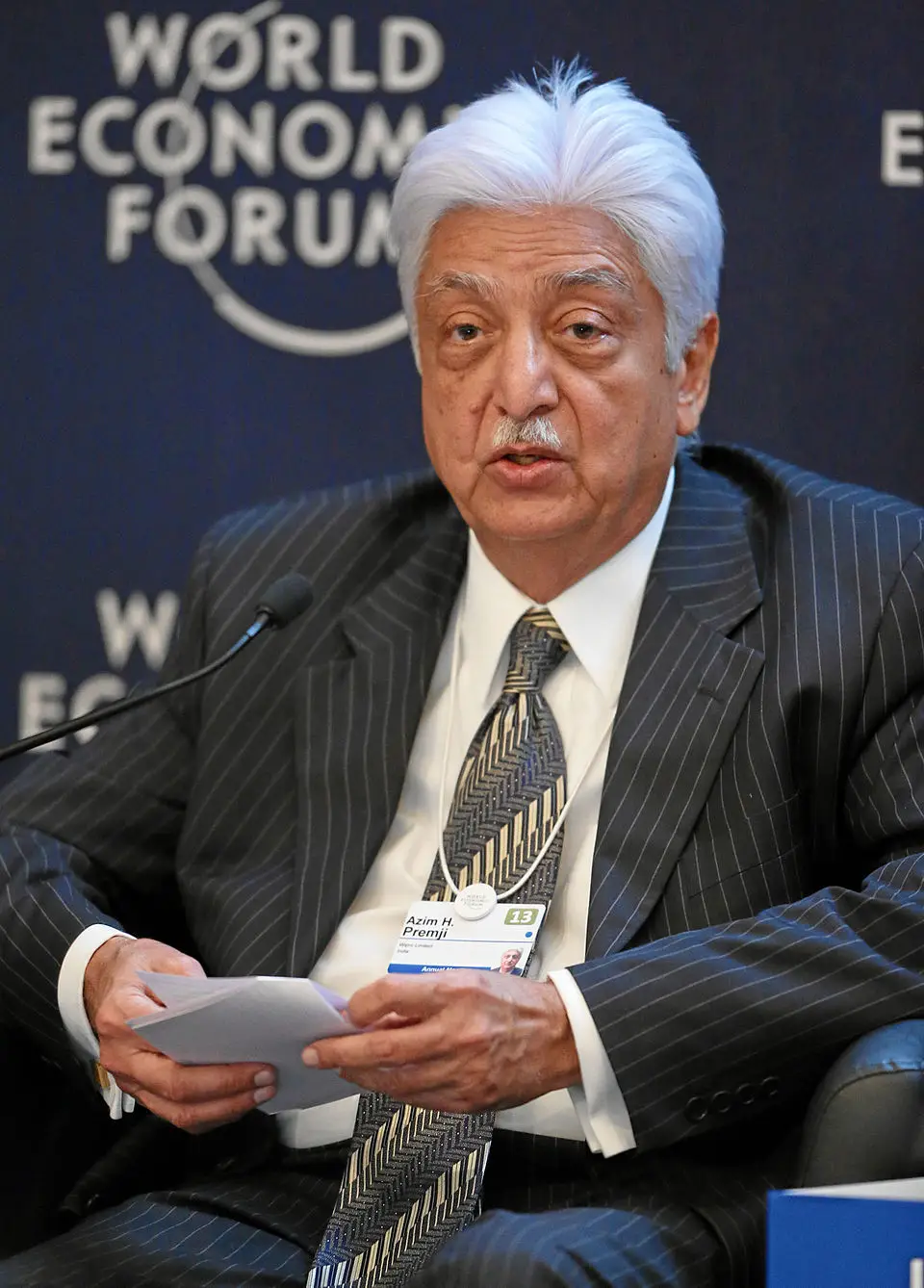
Wipro founder Azim Premji has responded firmly to a request from Karnataka Chief Minister Siddaramaiah to open a private road inside Wipro’s Bengaluru campus for public traffic relief. Premji declined, emphasizing there is “no silver bullet” for the city’s traffic woes and stating that Wipro’s roads are not intended for public use.
He offered instead to fund an independent traffic study to find sustainable, long-term solutions for Bengaluru’s chronic congestion.
Why the Request & Why the Rejection
The Government’s Appeal
Bengaluru continues to struggle with heavy traffic, particularly during peak hours. The state government had hoped that allowing public vehicles through Wipro’s Sarjapur campus road—cutting through the campus to connect congested arterial roads—might alleviate traffic bottlenecks in the area.
Premji’s Stand & Rationale
- Premji noted that Wipro’s internal roads were designed for campus access, employees, and logistics—not for general traffic.
- He cautioned publicizing a “simple solution” like opening private roads would mislead citizens, as it doesn’t address underlying infrastructure or planning gaps.
- By offering to finance a traffic study, he signaled willingness to participate in structural remedies rather than piecemeal fixes.
- Reports suggest Wipro had already stressed that allowing public vehicles would strain campus security, disrupt corporate operations, and increase liability risks.
Public & Media Reactions
- Some lauded Premji for refusing to permit ad hoc, reactive measures that shift the burden onto private entities rather than fixing systemic issues.
- Others criticized the government for expecting a private company to solve public infrastructure problems.
- Traffic experts opined that opening campus roads might provide temporary relief but could worsen congestion elsewhere, highlighting the need for holistic planning.
What This Means Going Forward
- The traffic relief must come from road network upgrades, better public transport, traffic management, and urban planning, rather than shortcut solutions.
- Wipro’s offer to fund a traffic study could help identify bottlenecks and policy levers—such as signal optimization, feeder roads, and parking strategies.
- The exchange between government and industry reflects broader challenges in Indian cities: balancing private property rights, corporate social responsibility, and urban infrastructure demands.




