



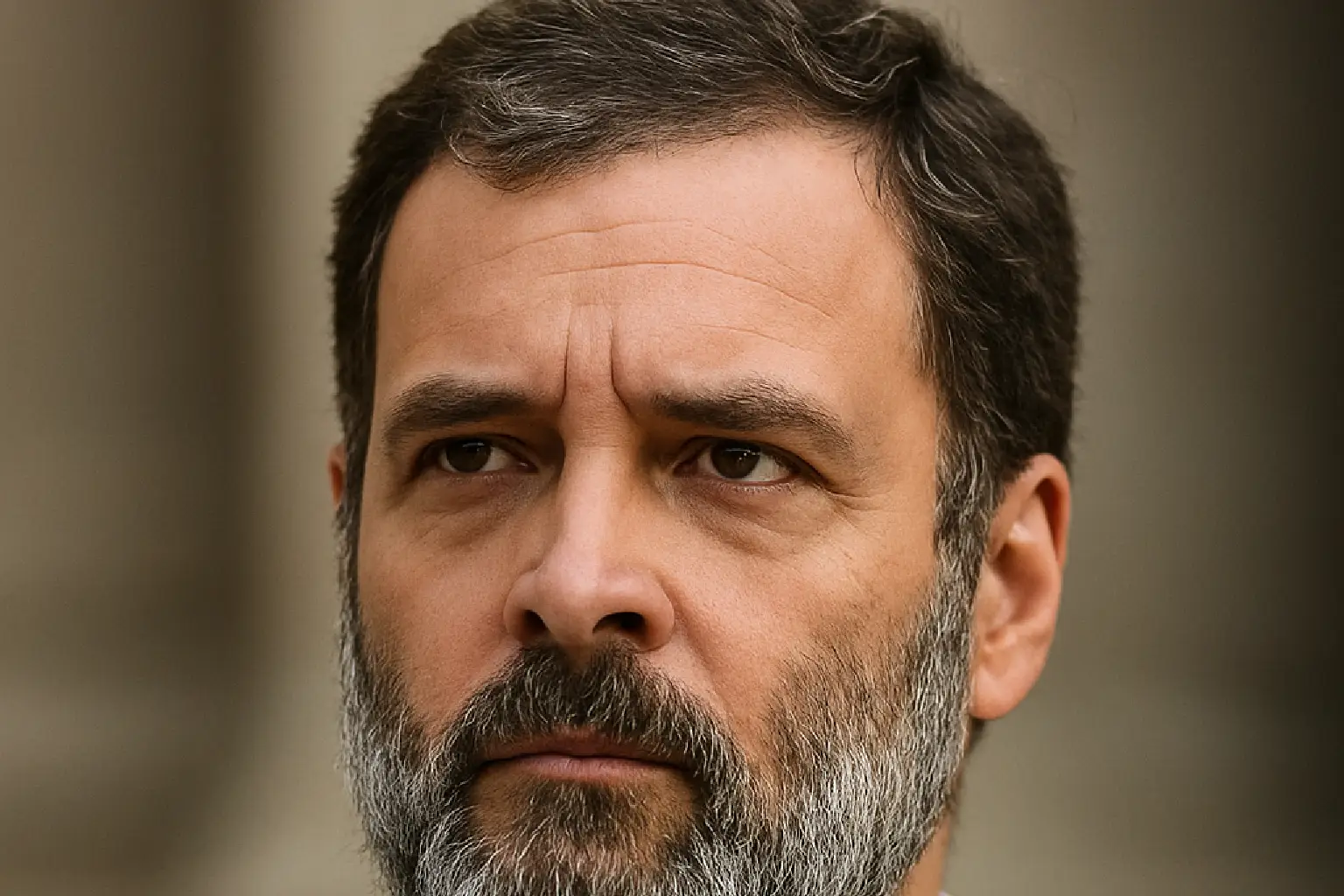
Hundreds of opposition lawmakers, including Rahul Gandhi, were detained in New Delhi during a protest outside the Election Commission, raising alarms over alleged voter roll irregularities. MPs accused the Commission of withholding digital electoral roll data, escalating demands for transparency and fairness.
Demonstration Over Voter Roll Disputes
On August 11, approximately 300 opposition leaders marched from the Parliament to the Election Commission’s office, decrying what they claimed were voter list manipulations, such as duplicate or deleted entries that favored the ruling party. Police detained lawmakers, including Rahul Gandhi, as they attempted to breach security barricades. Gandhi dismissed the protest as “not political,” but a fight to “save the constitution” and ensure clean election rolls.
Demand for Digital Data Gains Momentum
DMK MP Kanimozhi amplified concerns over transparency during a media briefing, pointing out a lack of access to digital voter data. “Why is the EC giving us paper versions instead of digital data?” she challenged, arguing that digitized formats are essential for verifying alleged anomalies. She emphasized that the election dispute is a fight for the people’s rights, not partisan politics.
Pushback from the Election Commission and Changing Tones
Earlier, Congress leader Jairam Ramesh had accepted an EC invitation to negotiate with a representative group of 30 MPs. However, by the time of the protest, he had shifted his tone, demanding that all 300 protesting MPs be granted direct access to the EC. The Commission maintained that limitations were due to space, while also sharing electoral roll data online, including claims, objections, and anonymized voter status updates.
What It Means and What’s Next
The standoff underscores growing distrust in democratic processes, especially ahead of pivotal state elections. With both sides entrenched, the likelihood of official dialogue remains uncertain.




