



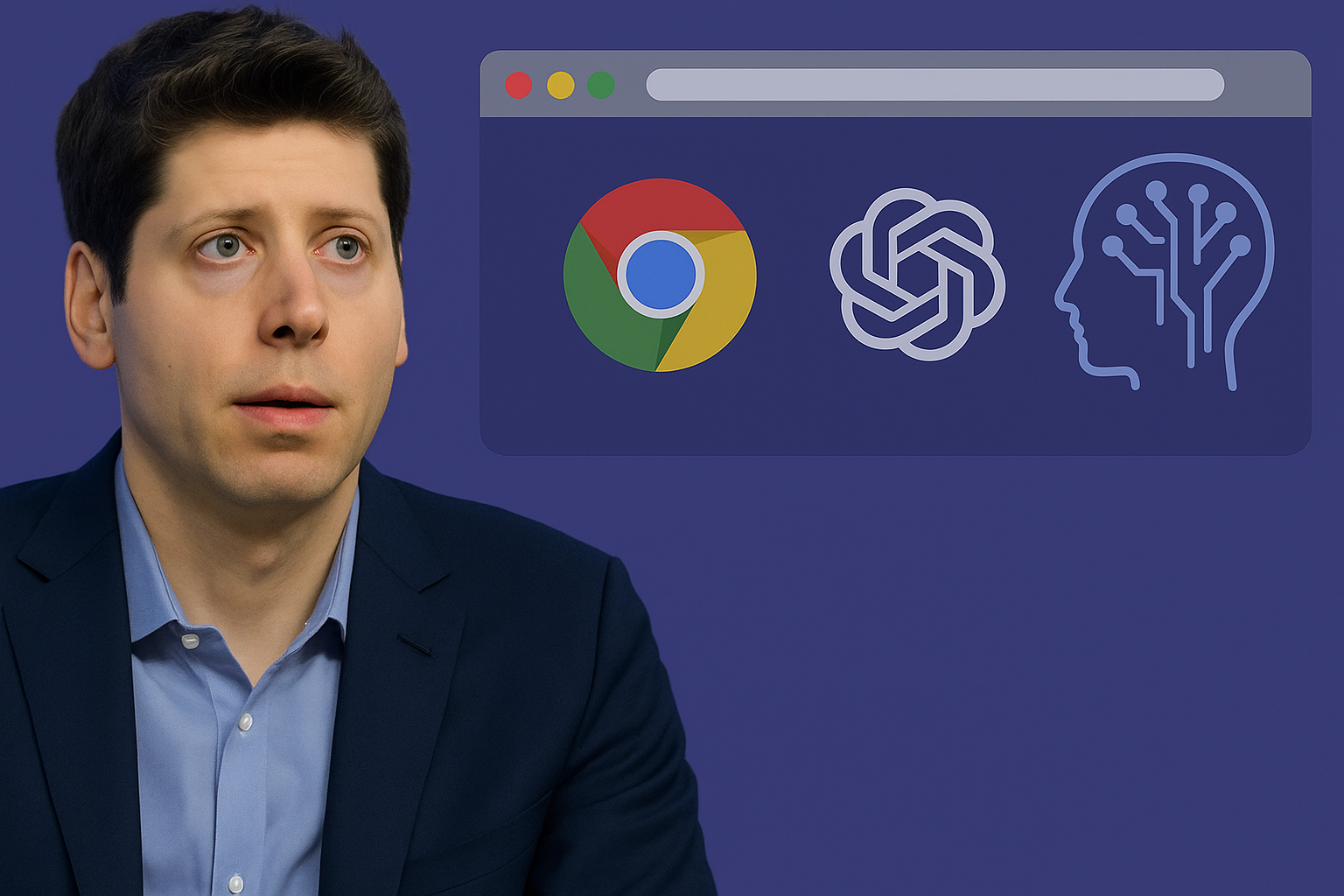
OpenAI is gearing up to unveil a Chromium-based, AI-powered web browser in the coming weeks, ahead of the end-of-July target, according to sources familiar with the matter. The new browser integrates ChatGPT-style chat and agentic AI capabilities, enabling on-page task execution and offering a direct challenge to Google Chrome’s dominance.
What Makes It Special?
- Built-in AI chat interface: Users will be able to carry out searches and fetch summaries without navigating away, keeping them within a conversational window instead of jumping between tabs .
- Agent integration (Operator): The browser will optionally include OpenAI’s “Operator”—an AI agent capable of autonomously interacting with web elements: typing, clicking, filling forms, even proceeding with tasks like reservations or orders.
- Data access control: Departing from extensions, OpenAI is building a standalone browser to gain and control user behavior data, a cornerstone of Google’s ad business via Chrome, potentially disrupting Google’s data flow.
Why This Matters
- Chrome faces its first AI-driven rival: With over 3 billion users and a dominant ~67% market share, Chrome fuels Alphabet’s ad ecosystem. A shift of ChatGPT’s 500 million weekly users to an AI-first browser could significantly disrupt that monopoly.
- Agentic web steps forward: OpenAI is pushing the agentic web concept—where AI agents perform multi-step tasks online on behalf of users—a growing frontier in AI research and commercial use.
- Broader AI strategy: This move aligns with OpenAI’s expansion into hardware (with the $6.5 b acquisition of Jony Ive’s startup) and further embeds its tools into daily workflows.
Competitive Landscape
Other AI-powered browsers are already emerging: Comet by Perplexity, Dia from The Browser Company, and Opera’s AI-integrated One browser. All are leveraging Chromium or WebKit engines and tapping into the agentic trend.
Challenges Ahead
- User adoption: Convincing users to switch browsers is notoriously difficult due to habits, extensions, and performance needs.
- Privacy & safety: Integrating AI agents into browsing raises substantial privacy and security concerns, especially around task automation and data collection .
- Execution reliability: Existing agents like Operator work well for simple tasks but can struggle with complex interactions—they self-correct or ask for user help when uncertain.
OpenAI’s entry into the browser space represents a strategic pivot from AI experiments to owning critical infrastructure. By embedding agents and chat into browsing, it challenges Google’s data stronghold and pushes the idea of the agentic web further, potentially reshaping how we interact with the internet. But user trust, seamless performance, and browser habits stand as formidable hurdles.




