



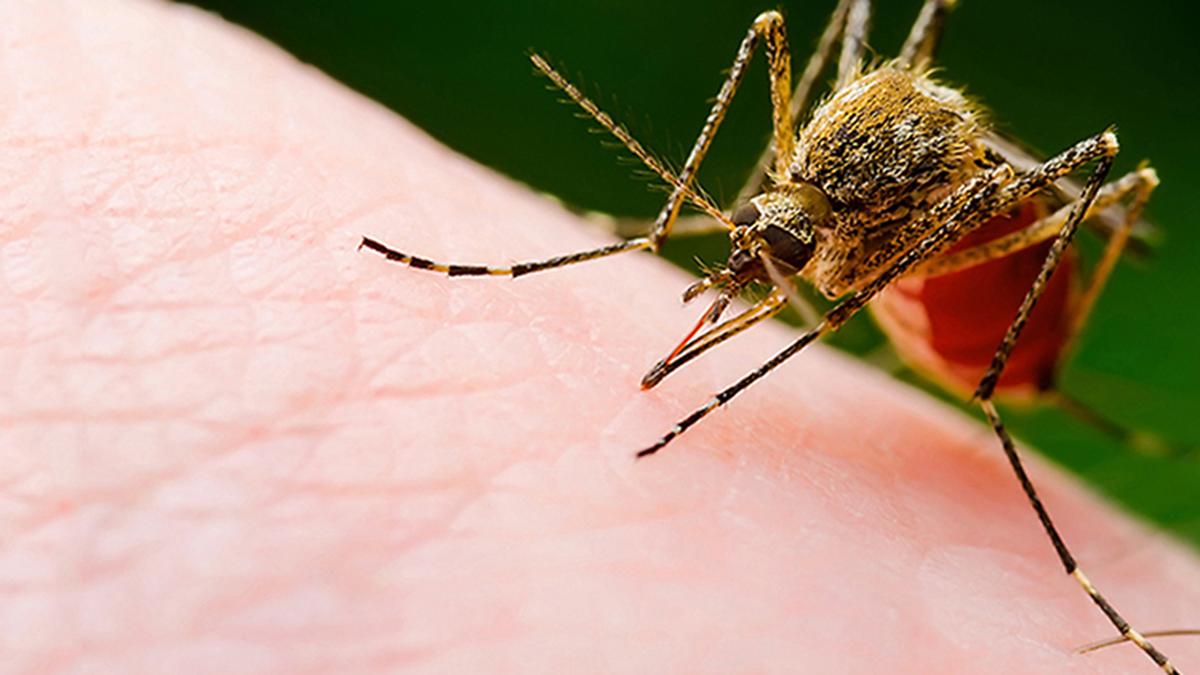
As monsoon showers drench parts of India, public health experts are raising alarms over a potential surge in mosquito-borne diseases, including dengue, malaria, and chikungunya. With stagnant water, humidity, and poor sanitation creating breeding grounds for mosquitoes, citizens are being urged to take preventive measures immediately.
According to recent advisories, several regions like Nagpur, Hyderabad, Mohali, and Mumbai have reported early cases of mosquito-borne illnesses, even before peak rainfall began.
Mosquitoes, especially the Aedes and Anopheles types, thrive in stagnant water found in open containers, coolers, gutters, and flowerpots. With rising temperatures and humidity, the breeding cycle becomes faster, increasing transmission risks.
Top Health Risks to Watch For
- Dengue Fever: Causes high fever, rash, muscle pain, and bleeding in severe cases. Most common during the monsoon due to Aedes mosquito bites.
- Malaria: Transmitted by the Anopheles mosquito, this disease brings fever, chills, and flu-like symptoms.
- Chikungunya: Often confused with dengue, this illness causes joint pain, fever, and fatigue.
Doctors warn that early symptoms often mimic viral fevers and can go unnoticed until complications arise.
Prevention Tips for a Healthy Monsoon
Health authorities recommend these preventive steps:
- Eliminate stagnant water in containers, coolers, and rooftops.
- Use mosquito repellents, especially in the evenings.
- Wear long-sleeved clothes and light fabrics.
- Install window screens and use mosquito nets.
- Get medical attention if you develop a high fever, joint pain, rashes, or vomiting.
More Than Mosquitoes: Hidden Monsoon Threats
Apart from vector-borne diseases, the monsoon also increases the risks of:
- Waterborne illnesses like typhoid and cholera from contaminated water.
- Skin infections and respiratory issues are due to damp conditions.
- Leptospirosis, especially in flood-affected zones.
Doctors advise staying hydrated, eating freshly cooked food, and avoiding street snacks during the rainy season to prevent gastrointestinal issues.
Stay Informed, Stay Safe
With monsoon-related infections rising each year, prevention is better than a cure. Simple changes—like clearing standing water, maintaining hygiene, and using protection—can go a long way in protecting your family.
As monsoon 2025 progresses, public health agencies will continue to monitor and respond to outbreaks. Citizens are encouraged to remain alert and report symptoms early to prevent complications.




