



-
-
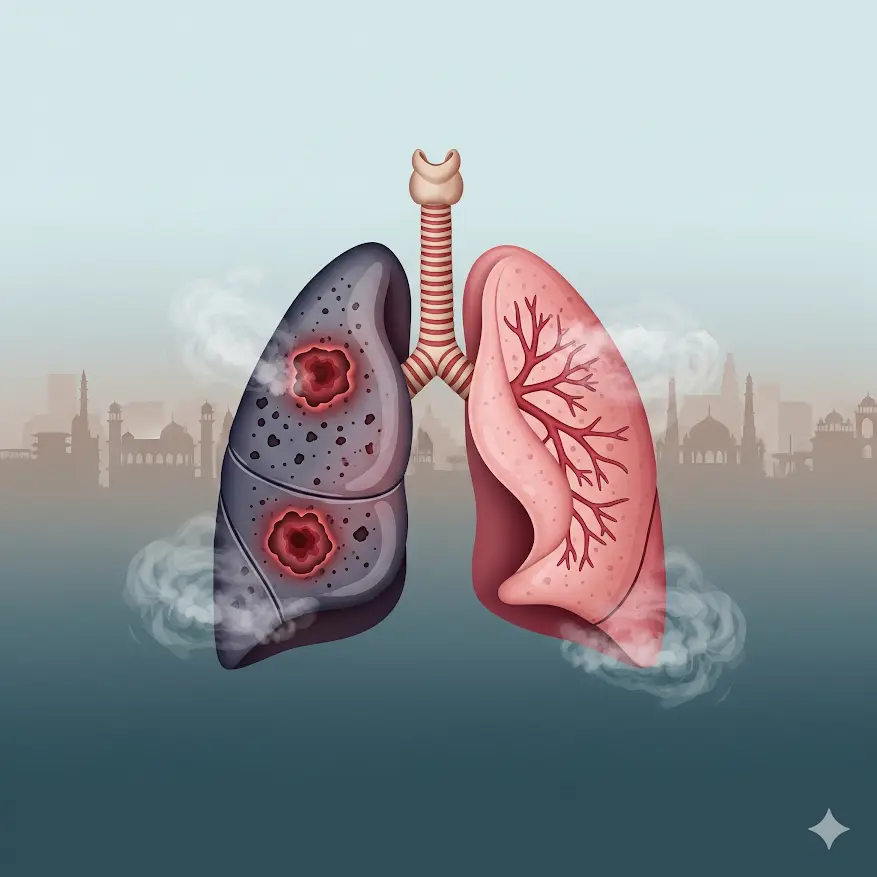
- Indian oncologists are sounding alarms: air pollution—both indoor and outdoor—is increasingly fueling lung and other cancers among non-smokers, particularly women and younger adults. Experts say this trend is becoming more visible with deteriorating air quality in urban zones, widespread use of solid fuels in rural kitchens, and rising environmental toxins.
Dr. Shirish Alurkar from Ahmedabad notes that over 1.4 million new cancer cases are recorded in India annually, and this figure is expected to climb. He stresses that alongside traditional drivers like smoking and genetics, environmental pollution is quietly reshaping the country’s cancer landscape.
Who Is Affected & How
- Many non-smoking women are developing lung cancer in regions with high indoor smoke exposure from cooking with biomass fuels or poor ventilation.
- In Delhi and similar cities, even without a history of smoking, residents are at elevated risk due to PM2.5, vehicle exhaust, industrial emissions, and second-hand smoke. Young patients are being seen more frequently.
- A study in Lucknow found that about 25% of lung cancer patients were non-smokers, many of them women and youth. Researchers pointed to indoor and outdoor pollution as key contributors.
Main Causes & Biological Mechanisms
Here are the key environmental and non-tobacco risk factors identified:
Cause Type Examples & Mechanism Indoor air pollution Smoke from cooking stoves using wood, dung, biomass; fumes from cooking oil; poor ventilation. These sources release carcinogens like PAHs. Outdoor air pollution Fine particulate matter (PM2.5), nitrogen oxides, benzene, and industrial emissions. They cause chronic inflammation and DNA damage. Second-hand smoke Exposure even in households where residents do not smoke directly. Genetic predispositions / Mutations Some lung cancer mutations are more common among non-smokers. These get triggered or worsened by environmental toxins. Hormonal factors may also play a role. Symptoms & Early Signs
Because lung cancer in non-smokers often mimics other respiratory ailments, early detection is difficult. Be alert to:
- Persistent cough that does not go away
- Breathlessness or fatigue without an obvious cause
- Unexplained weight loss
- Chest pain or tightness
- Repeated respiratory infections
Delay in diagnosis is common due to attributing these symptoms to infections or asthma rather than cancer.
What Can Be Done: Prevention & Policy Measures
To reduce lung cancer risk among non-smokers in India, experts recommend:
- Shifting from solid fuels (biomass, coal) to cleaner cooking methods and ensuring proper ventilation in kitchens.
- Stricter regulation of ambient air pollution: limiting emissions from vehicles, industries, monitoring, and reducing PM2.5 levels.
- Strengthening awareness among doctors and the public about lung cancer risk, even in those who never smoked, especially in polluted urban areas.
- Expanding screening efforts and improving access to diagnostic tests for people presenting respiratory symptoms. Early treatment improves outcomes.
Why This Trend Matters
- The rising incidence among non-smokers reveals that lung cancer is no longer only a smoker’s disease in India. Pollution and environmental risk are becoming central drivers.
- Women and younger adults are disproportionately affected, adding urgency to rethink public health strategies.
- Existing healthcare systems, burdened by high overall cancer loads, may see greater strain unless steps are taken now.
- Indian oncologists are sounding alarms: air pollution—both indoor and outdoor—is increasingly fueling lung and other cancers among non-smokers, particularly women and younger adults. Experts say this trend is becoming more visible with deteriorating air quality in urban zones, widespread use of solid fuels in rural kitchens, and rising environmental toxins.
-




