



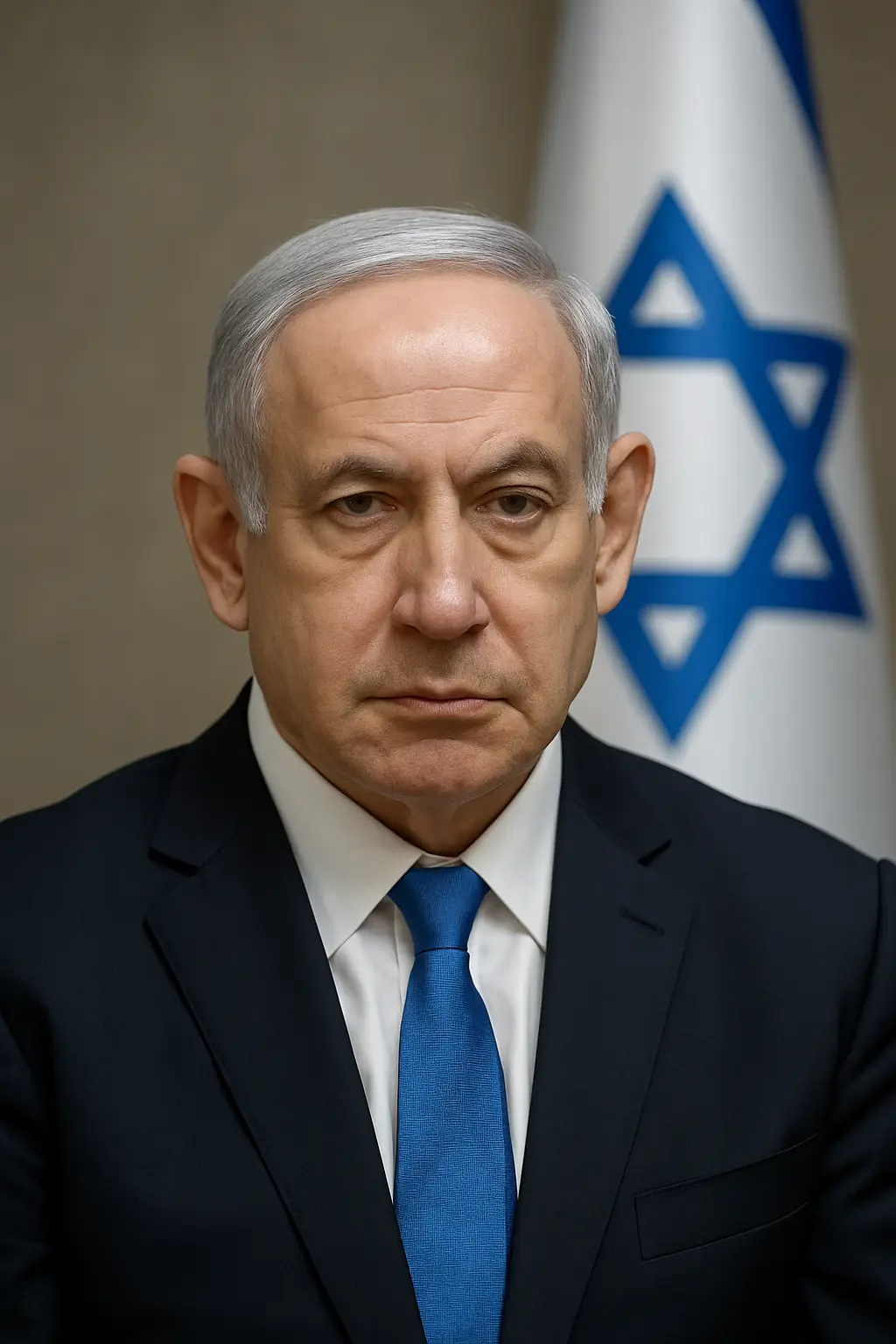
- Israeli Prime Minister Benjamin Netanyahu has formally approved a large-scale military offensive aimed at seizing Gaza City, while simultaneously directing his security cabinet to begin immediate negotiations for the release of hostages still held in the enclave. The dual move—combining intensified military operations with renewed diplomacy—underscores Israel’s high-stakes strategy as international pressure mounts for a ceasefire.
A Two-Track Approach
Netanyahu’s announcement confirms weeks of speculation that Israel would escalate operations in Gaza’s northern urban center despite warnings from global powers. He stated that Israel must “defeat Hamas militarily while also securing the release of every hostage,” signaling that neither track would be abandoned.
The offensive comes even as Hamas has accepted a ceasefire proposal mediated by Egypt and Qatar. That plan includes a 60-day truce, partial prisoner exchanges, and expanded humanitarian access. Israel, however, has stopped short of endorsing it, arguing that the terms fail to guarantee Hamas’s disarmament.
Military Preparations Underway
The Israel Defense Forces (IDF) have begun pre-offensive maneuvers around Gaza City, with artillery fire and targeted strikes reported on the city’s outskirts. According to Israeli officials, some 60,000 reservists have been called up, while tens of thousands more remain on standby.
Residents in northern Gaza have been instructed to evacuate southward, though humanitarian agencies warn that many civilians are trapped due to closed routes, destroyed infrastructure, and a lack of safe shelters.
Humanitarian Warnings Escalate
The United Nations and the International Red Cross have warned that a ground assault on Gaza City could trigger one of the worst humanitarian crises since the conflict began. Over a million civilians are at risk of displacement, while hospitals already struggling with shortages of medicine, fuel, and electricity face imminent collapse.
Gaza’s Health Ministry has rejected Israeli evacuation orders for hospitals, saying the transfer of critically ill patients is impossible and would amount to “a death sentence.” Aid groups have called for protected humanitarian corridors and urged Israel to suspend operations until a diplomatic framework is reached.
International Diplomatic Response
Reaction from world capitals has been swift. The United States has voiced concern over the escalation but reiterated Israel’s right to defend itself. The United Kingdom, European Union members, and several Arab states have condemned the offensive, calling it incompatible with international law.
Meanwhile, U.S., Egyptian, and Qatari mediators continue efforts to bridge gaps between the Israeli government and Hamas. While Hamas’s acceptance of the truce has boosted optimism in some quarters, Netanyahu’s insistence on linking ceasefire discussions to Israel’s security demands makes an immediate breakthrough uncertain.
Hostages Remain at the Core
At the heart of Israel’s decision-making are the hostages—both Israeli and foreign nationals—still believed to be held by Hamas. Families of captives have urged Netanyahu to prioritize diplomacy over military escalation, warning that a Gaza City invasion could jeopardize their loved ones’ lives.
In response, Netanyahu pledged that “no effort will be spared” to bring the hostages home, but emphasized that Hamas must not be left intact to threaten Israel again.




