



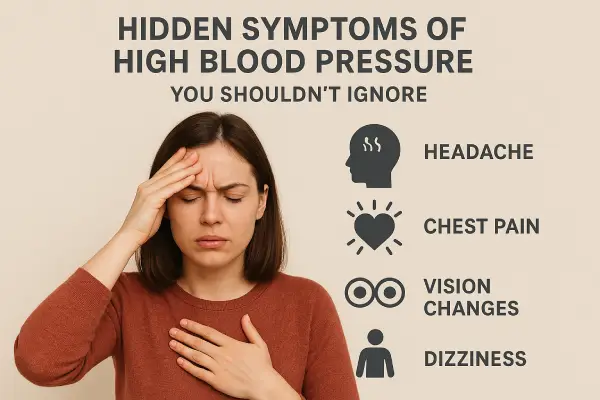
High blood pressure, or hypertension, is often referred to as the “silent killer” because it typically shows no obvious signs until significant damage has already occurred. Yet, doctors warn there are subtle symptoms that, if recognized early, can help detect the condition before it leads to severe complications such as heart disease, stroke, or kidney failure.
According to cardiologists, many people mistake these symptoms for minor, unrelated health issues, which delays diagnosis and treatment. Here are some of the often-overlooked signs of high blood pressure and why you should take them seriously.
1. Morning Headaches
Waking up with a dull, throbbing headache—especially at the back of the head—can be linked to elevated blood pressure during the night. This pressure strains blood vessels in the brain and is more common in those whose hypertension is uncontrolled.
2. Frequent Dizziness
Sudden bouts of dizziness or feeling light-headed, particularly when standing up, may indicate reduced blood flow to the brain caused by hypertension. While dizziness can have many causes, persistent episodes warrant a blood pressure check.
3. Blurred Vision
High blood pressure can damage tiny blood vessels in the retina, a condition known as hypertensive retinopathy. This damage can cause blurred or altered vision and, in severe cases, even lead to vision loss.
4. Unusual Pulsing Sensations
Some people experience a pounding or throbbing feeling in their ears, neck, or chest when their blood pressure is high. This sensation is caused by increased force against the artery walls.
5. Shortness of Breath and Fatigue
When blood pressure is consistently high, the heart works harder to pump blood. Over time, this strain can lead to fatigue and breathlessness during routine activities, a sign that the heart is under stress.
6. Frequent Nosebleeds
Though not always caused by hypertension, repeated or unexplained nosebleeds can be a warning sign of dangerously high blood pressure levels, especially if other symptoms are present.
7. Tinnitus (Ringing in the Ears)
High blood pressure can affect the small blood vessels in the ears, causing persistent ringing or buzzing sounds. If this symptom develops suddenly or worsens, it should be checked out.
8. Nighttime Bathroom Trips (Nocturia)
Frequent urination during the night may be linked to high blood pressure and fluid retention. Studies have found that nocturia is significantly more common among those with hypertension.
9. Sudden Urge to Urinate
An overactive bladder or sudden, strong urges to urinate could be related to changes in the nervous system from high blood pressure or as a side effect of certain medications used to treat it.
Why Early Detection Matters
Nearly half of adults with high blood pressure don’t know they have it. Left untreated, hypertension can cause life-threatening complications, including heart failure, stroke, kidney disease, and vision loss. The condition is particularly dangerous because symptoms often appear only after substantial organ damage has occurred.
Health experts recommend regular blood pressure checks—at least once a year for healthy adults and more frequently for those with risk factors such as obesity, diabetes, smoking, or a family history of hypertension.
Prevention and Management
Lifestyle changes are a powerful tool in preventing and controlling high blood pressure. Doctors advise reducing salt intake, eating a balanced diet rich in fruits and vegetables, exercising regularly, managing stress, avoiding tobacco, and limiting alcohol consumption. For those already diagnosed, medication adherence and regular monitoring are essential.




