



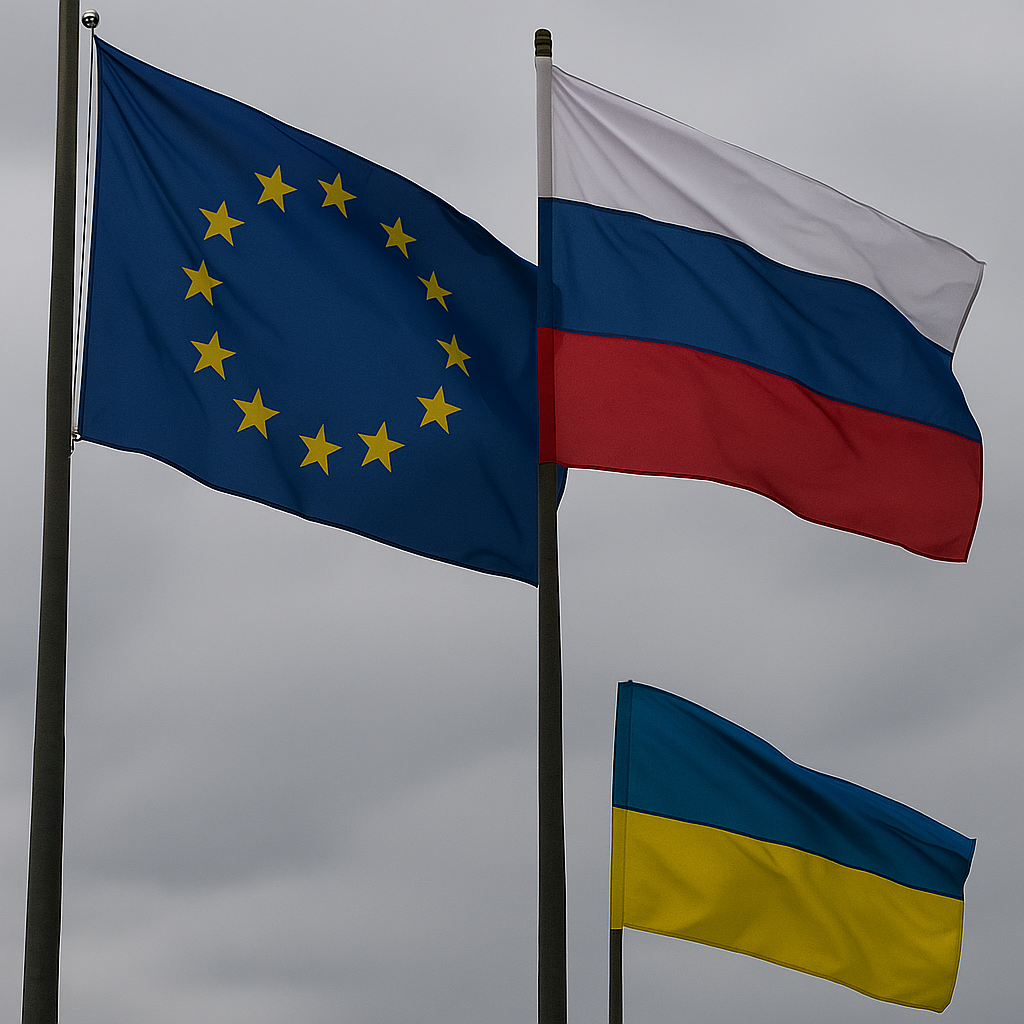
The European Union has officially adopted its 18th package of sanctions against Russia, intensifying pressure on Moscow over its prolonged war in Ukraine. The new measures, which build on previous sanctions, further restrict trade, financial access, and technology transfers aimed at weakening Russia’s military and economic capabilities.
According to statements from the European Commission and the EU’s foreign affairs office, the latest package expands the blacklist of individuals and entities involved in the war effort, imposes tighter export controls, and introduces new measures to combat sanctions circumvention.
“The EU remains steadfast in its support for Ukraine and continues to impose costs on Russia for its unprovoked aggression,” said EU foreign policy chief Josep Borrell in a statement. “This 18th package sends a clear signal — we will not tolerate the erosion of international law.”
Key Features of the 18th Sanctions Package:
- Expanded Trade Restrictions: The EU has banned the export of additional dual-use and advanced technologies, particularly those that can enhance Russia’s military-industrial base.
- New Entity Listings: Over 50 individuals and organizations have been added to the EU’s asset freeze and travel ban list. These include Russian defense contractors, business leaders, and facilitators of sanctions evasion.
- Crackdown on Sanctions Circumvention: The EU has included specific provisions aimed at countries and firms suspected of helping Russia bypass existing sanctions, especially through re-export and third-party financial networks.
- Financial Measures: European firms and banks face new compliance rules when dealing with transactions linked to Russia, resulting in increased oversight and enforcement mechanisms across EU states.
This move comes at a time when the war in Ukraine shows little sign of resolution. Despite battlefield setbacks and mounting international pressure, the Kremlin continues to pursue its military objectives in eastern Ukraine.
According to diplomats, negotiations over the 18th package were complex, with several member states seeking stronger provisions to address loopholes in enforcement. Others emphasized the need for unity and practical implementation over symbolic gestures.
The EU’s sanctions regime, which began in 2014 following Russia’s annexation of Crimea and escalated dramatically after the full-scale invasion of Ukraine in 2022, now covers sectors including energy, banking, aviation, maritime transport, and defense.
Since the start of the war, the EU has sanctioned over 2,000 individuals and entities, frozen hundreds of billions in assets, and imposed energy embargoes. The bloc has also worked closely with G7 allies and the U.S. to coordinate policy responses.
Despite these measures, concerns remain about their overall effectiveness, particularly as Russia continues to find alternative trade routes and partners in Asia, the Middle East, and Africa.
The European Commission has pledged continued monitoring and revisions of the sanctions regime, stressing that future measures could be even more severe depending on the evolving situation in Ukraine.
Ukrainian officials have welcomed the new sanctions, calling them necessary but urging the international community to take swifter and broader actions to counter Russian aggression.
As the war continues, the EU’s latest move reflects both its diplomatic resolve and the challenges of maintaining a united front in the face of geopolitical and economic complexity.




