



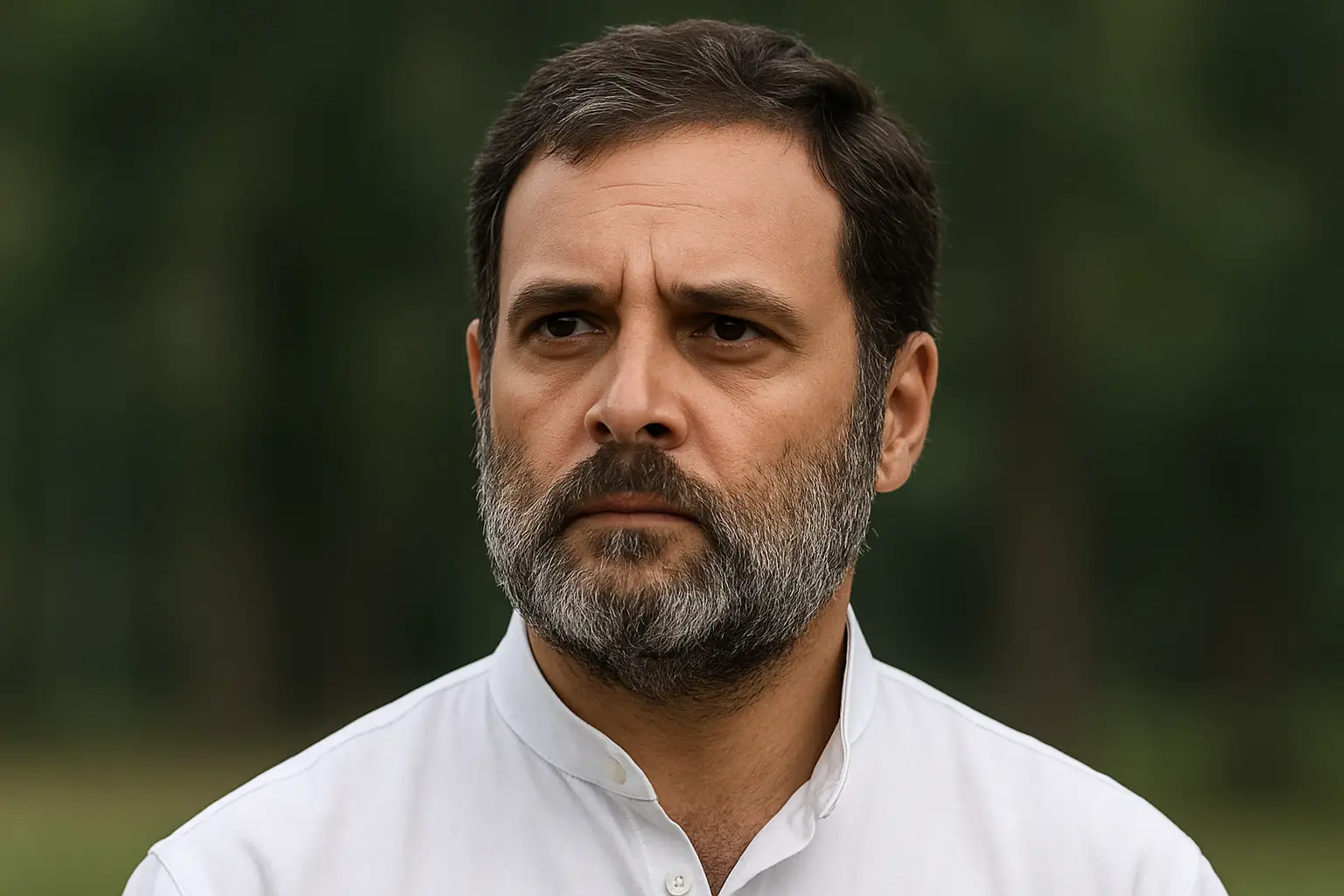
- The Election Commission of India (ECI) has issued a stern ultimatum to Congress leader Rahul Gandhi, demanding that he either produce an affidavit to substantiate his claims of “vote theft” or issue a public apology—categorically stating there is no third option. This directive comes amid rising tensions over the credibility of India’s electoral processes.
Allegations Spark Showdown
Rahul Gandhi has accused the ECI of tampering with voter rolls—claiming the deletion of 6.5 million names in Bihar and addition of fake voters in Maharashtra—as part of a scheme to benefit the ruling party. He has described this as “vote chori” (vote theft) and launched a “Voter Adhikar Yatra” in Bihar to rally support for electoral integrity.
ECI Demands Accountability
Chief Election Commissioner Gyanesh Kumar rejected these allegations as “misleading” and an affront to the Constitution. The EC stated that without credible evidence, such statements erode public trust. He warned:
“Give us an affidavit or apologise to the nation—there is no third option.”
The Commission has set a seven-day deadline for Gandhi to comply—otherwise, his allegations will be deemed “baseless and invalid.”
On the Other Side: “Don’t Call My Voters Liars”
In a clear rebuke, the CEC called Rahul Gandhi’s phrasing—particularly “vote chori”—as insulting to voters. The ECI emphasized that “one person, one vote” has been the foundation of India’s elections since 1951 and urged all parties to use precise and respectful language.
Opening for Scrutiny—Provided It Happens on Time
The EC stated parties had multiple opportunities during the claims and objections periods to flag errors in the voter rolls. Political parties, including Congress, received complete electoral data pre-election. Timely revisions would have ensured corrections without needing public rallies.
On Data Usage and Intent
The CEC also accused Rahul Gandhi of misinterpreting or manipulating EC data to support his narrative. He advised the public to consider the facts released by the Commission and attributed potential roll discrepancies to administrative lag, not conspiracy.
Historical Context and Precedent
This is not the first time the EC has been asked to respond formally. In 2018, a similar controversy emerged involving former MP Kamal Nath. The current demand for a formal declaration echoes historical institutional safeguards.




