



-
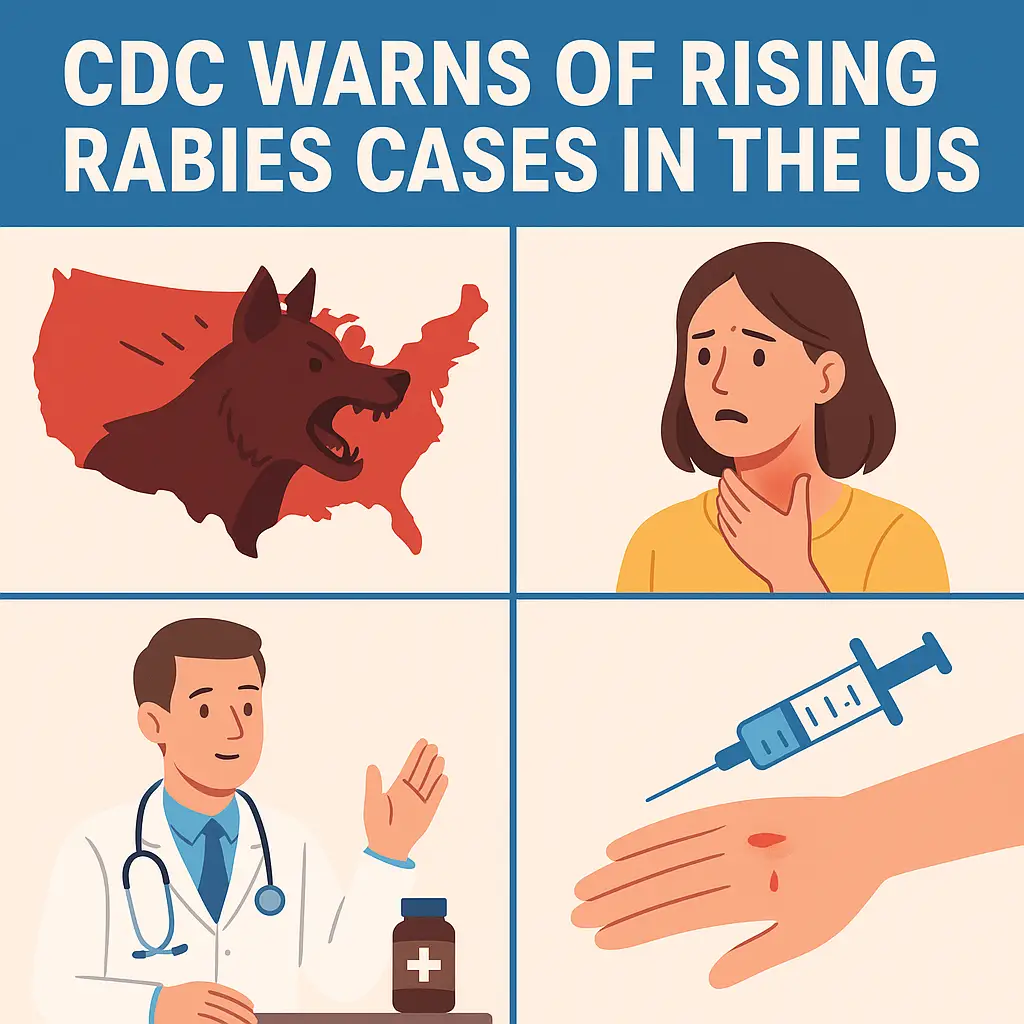
- Rabies, a fatal viral disease, is resurging in the United States, with the Centers for Disease Control and Prevention (CDC) reporting a concerning uptick in cases among both humans and wildlife. In the past year alone, six human deaths have been attributed to rabies, marking the highest number in several years. This resurgence has prompted health officials to intensify awareness and preventive measures across the country.
Understanding Rabies: A Deadly Virus
Rabies affects the central nervous system, leading to brain inflammation and, if left untreated, death. The virus is primarily transmitted through the saliva of infected animals via bites or scratches. While rabies is rare in humans in the U.S., with fewer than 10 cases reported annually, the recent increase has raised alarms. The CDC attributes this rise to factors such as declining pet vaccination rates and increased human-wildlife interactions.
Rising Cases and Hotspots
The CDC is currently monitoring 15 active rabies outbreaks across the United States. Notable hotspots include Nassau County in New York, Cape Cod in Massachusetts, and several states, including Alaska, Arizona, California, Indiana, Kentucky, Maine, North Carolina, Oregon, and Vermont. In Nassau County, officials declared an “imminent public health threat” after confirming 25 cases of rabid animals, primarily raccoons and feral cats. Similarly, Franklin County in North Carolina has seen a 100% increase in wildlife rabies cases compared to the previous year, attributed to rapid urban development encroaching on wildlife habitats.
Symptoms to Watch For
Early symptoms of rabies in humans can resemble the flu, including fever, headache, and general weakness or discomfort. As the disease progresses, more severe symptoms may develop, such as anxiety, confusion, agitation, hallucinations, and hydrophobia (fear of water). Once clinical symptoms appear, rabies is almost universally fatal, underscoring the importance of immediate medical intervention following potential exposure.
First Aid and Post-Exposure Prophylaxis (PEP)
If bitten or scratched by an animal that may have rabies, it is crucial to:
- Clean the wound immediately with soap and water.
- Apply an antiseptic and cover the wound with a clean bandage.
- Seek medical attention promptly to assess the need for rabies post-exposure prophylaxis (PEP).
PEP, a series of rabies vaccinations, is highly effective in preventing the onset of the disease if administered soon after exposure. Annually, over 100,000 Americans receive PEP following potential exposure to rabies.
Preventive Measures
To reduce the risk of rabies transmission:
- Vaccinate pets regularly, including dogs, cats, and ferrets.
- Avoid contact with wild or stray animals, especially those exhibiting unusual behavior.
- Secure garbage and food sources to deter wildlife from approaching human dwellings.
- Educate communities about the importance of rabies prevention and the risks associated with wildlife interactions.
Global Context
While rabies is rare in the United States, it remains a significant public health issue worldwide. According to the World Health Organization, rabies causes approximately 70,000 deaths annually, with dogs responsible for 99% of human rabies deaths outside the U.S. In contrast, in the U.S., wildlife such as bats, raccoons, skunks, and foxes are the primary sources of rabies transmission.
- Clean the wound immediately with soap and water.
- Rabies, a fatal viral disease, is resurging in the United States, with the Centers for Disease Control and Prevention (CDC) reporting a concerning uptick in cases among both humans and wildlife. In the past year alone, six human deaths have been attributed to rabies, marking the highest number in several years. This resurgence has prompted health officials to intensify awareness and preventive measures across the country.




