



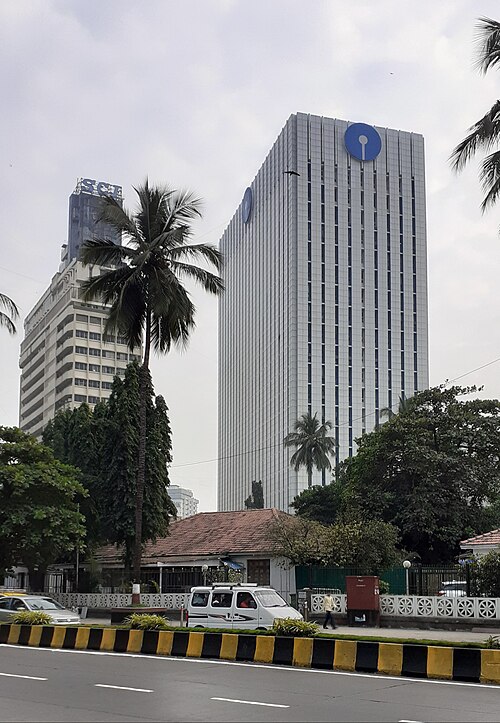
In a significant development in the corporate-financial sector, industrialist Anil Ambani has responded firmly to allegations by the State Bank of India (SBI), which recently labeled the Reliance Communications (RCom) loan account as “fraud” and reported it to the Reserve Bank of India (RBI).
According to recent disclosures, SBI flagged the loan account associated with RCom as fraudulent, nearly four years after the telecom firm defaulted on repayments and entered insolvency proceedings. The bank, in a regulatory filing, informed stock exchanges that it had reported the account to the RBI under the Central Repository of Information on Large Credits (CRILC) framework.
Reacting to the development, Anil Ambani expressed strong disapproval, stating that there was “no prior communication” from SBI or other lenders about this classification. He further claimed that the company was neither informed nor given an opportunity to present its side before the classification was made.
“The action by SBI comes as a surprise and raises serious questions regarding the process followed by the bank. No show-cause notice or explanation was ever sought,” said a spokesperson from Reliance Group, defending Ambani’s position.
Background and Market Reaction
Reliance Communications, once a leading player in India’s telecom industry, filed for insolvency in 2019 after struggling with debt and falling revenues. Since then, its resolution process has been delayed, and lenders have been seeking ways to recover dues.
The fraud classification by SBI has led to negative ripples across Anil Ambani-led companies. Shares of Reliance Infrastructure and Reliance Power both dipped up to 5% in intraday trading following the news. Market analysts noted that such a move typically escalates scrutiny and could impact investor sentiment in the short term.
According to financial experts, when a loan is declared as “fraud,” it signals a complete write-down of the lender’s exposure and invites deeper regulatory and criminal scrutiny. It also significantly damages the borrower’s reputation.
Legal and Regulatory Dimensions
This case has now reached the Reserve Bank of India (RBI), which may further examine whether the fraud tag was justified. Regulatory experts argue that if the borrower was not given an adequate opportunity to respond, it may become a matter for legal contention.
Moreover, Anil Ambani has suggested that SBI’s move might be retaliatory in nature or part of an internal restructuring effort. While SBI has maintained procedural integrity, the case may now attract additional legal review, especially if Reliance Communications or Anil Ambani initiate formal challenges.
This incident marks another chapter in the long-standing challenges faced by Reliance Communications and the Ambani brothers’ diverging business paths. While Mukesh Ambani’s Reliance Industries has grown into a global powerhouse, Anil Ambani has struggled to recover from the financial collapse of several of his business ventures.
As the matter unfolds, investors and stakeholders will closely monitor further action from SBI, RBI, and any legal forums that may become involved. The development once again highlights the complexities of India’s banking, regulatory, and insolvency frameworks, especially when big corporate names are involved.




