



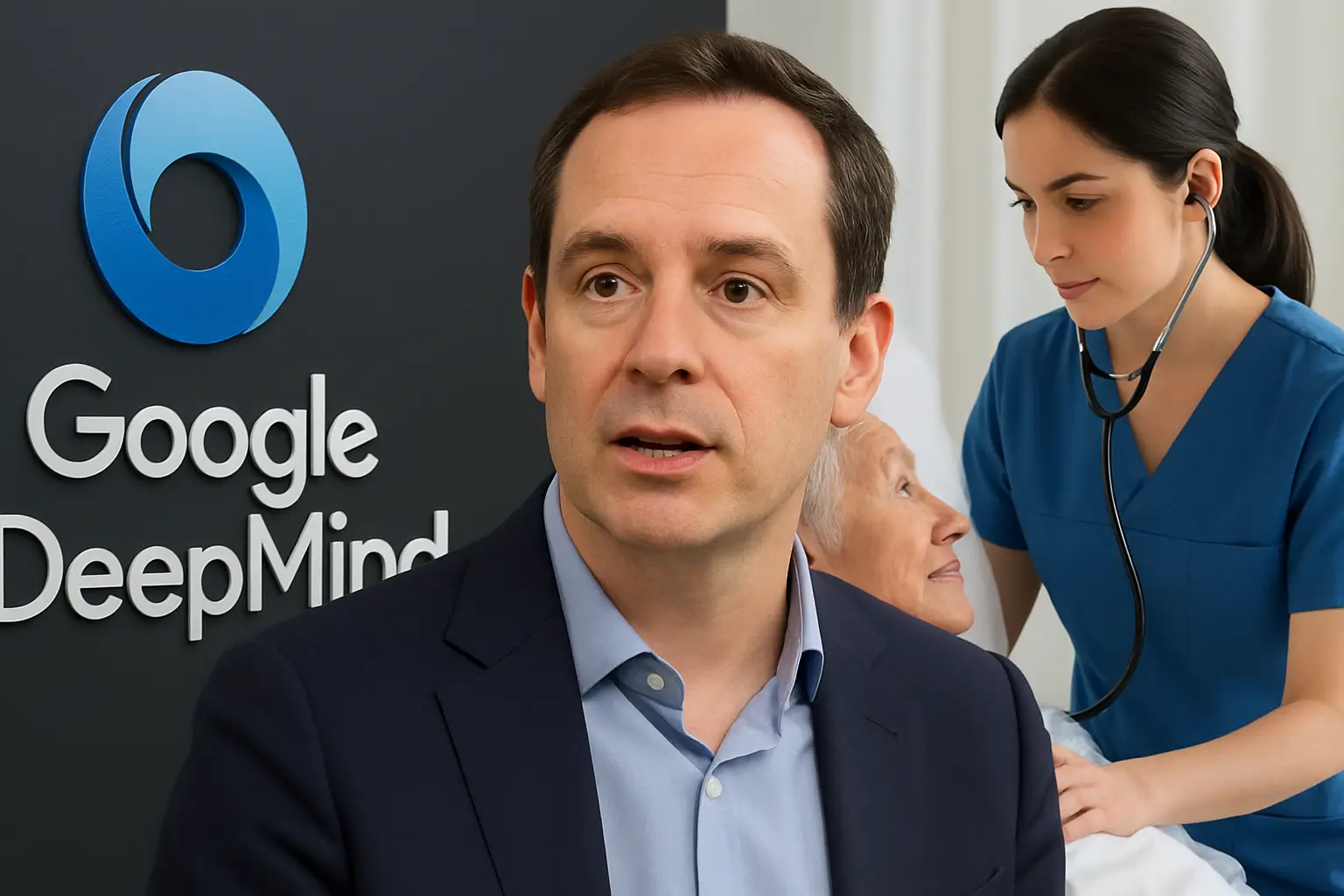
Demis Hassabis, the CEO of Google DeepMind, believes artificial intelligence (AI) has the potential to automate many tasks currently performed by doctors, but nurses will remain irreplaceable due to their essential role in human interaction and patient care.
Speaking at a recent tech and healthcare summit, Hassabis highlighted how AI-driven tools are transforming the medical field, from diagnosing diseases to analyzing scans and recommending treatments. However, he stressed that nursing relies heavily on empathy, physical presence, and emotional support, areas where machines still fall short.
AI in Healthcare: Doctors vs. Nurses
According to Hassabis, AI can process medical data faster than any human, which makes it highly effective in clinical decision-making. This includes:
- Reading X-rays and MRIs with near-human accuracy.
- Predicting health risks using patient history and lab results.
- Providing treatment recommendations based on large datasets.
“Many diagnostic and analytical tasks traditionally handled by doctors could eventually be fully or partially automated by AI,” Hassabis told the Times of India.
However, the human aspect of healthcare, which is core to nursing, remains beyond the reach of AI. India Today quoted him as saying:
“Nurses provide comfort, empathy, and human connection. AI can’t replicate that. Even the most advanced system cannot hold a patient’s hand.”
Why Nurses Are Irreplaceable
While AI can enhance efficiency and reduce medical errors, nursing involves more than just technical skills. Nurses play a crucial role in:
- Patient communication and emotional support
- Monitoring recovery and subtle health changes
- Hands-on care, including post-surgery assistance and therapy
The Economic Times noted that healthcare remains a deeply human profession, and even as hospitals adopt AI-powered diagnostics and robots for routine tasks, the demand for skilled nurses will continue to rise.
AI as a Support, Not a Substitute
Hassabis emphasized that the goal is not to replace medical professionals entirely but to augment their capabilities. AI could:
- Reduce doctors’ administrative workload
- Speed up early disease detection
- Allow nurses to focus on patient-centered care
He added that collaboration between AI systems and human caregivers could create a more efficient, safer, and compassionate healthcare ecosystem.
The Future of AI in Healthcare
AI is expected to revolutionize medicine, from robot-assisted surgeries to personalized treatment plans, but Hassabis warned against over-reliance on technology.
“AI will be a powerful tool, but healthcare is fundamentally human. Doctors and nurses will still be essential partners in patient well-being,” he said.
As the healthcare sector embraces AI innovation, the conversation continues around balancing automation with empathy, ensuring that technology supports, not replaces, the human touch in medicine.




