



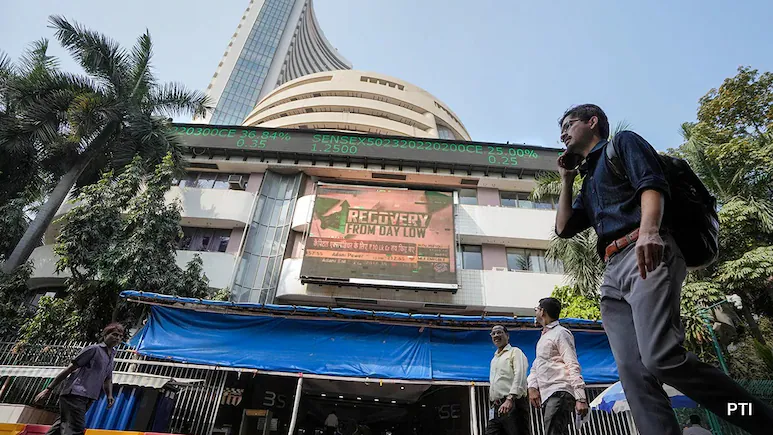
The Indian stock market suffered a major setback on Thursday, with the BSE Sensex plummeting 1,337 points in early trade amid rising geopolitical tensions in the Middle East. The Nifty 50 also fell sharply, slipping below the 24,500 mark. This steep fall was triggered by an Israeli strike inside Iran, intensifying fears of a broader regional conflict and sending shockwaves through global financial markets.
The BSE Sensex opened with a massive gap-down, touching a low of 72,404.17 in early trading hours. Nifty 50 mirrored the downward spiral, hitting a low of 21,825. Both indices ended up shedding over 1.8% each by mid-session, wiping off investor wealth worth lakhs of crores in a matter of hours.
Geopolitical Tensions Spark Global Market Panic
The market bloodbath came after reports emerged that Israel had launched a retaliatory attack inside Iranian territory in response to Tehran’s drone and missile assault earlier in the week. Although oil prices initially surged on the news—Brent crude nearing $90 per barrel—they later cooled off slightly. However, the underlying fear of a prolonged conflict weighs heavily on investor sentiment.
International markets also reacted negatively, with Asian indices in the red and U.S. stock futures pointing to a weak open. The Indian rupee slipped against the U.S. dollar, and safe-haven assets like gold saw renewed demand.
5 Key Reasons Behind the Stock Market Crash
- Middle East Escalation: The most immediate trigger was the renewed Israel-Iran conflict, raising concerns over oil supply disruptions and global instability.
- FII Outflows: Foreign Institutional Investors (FIIs) pulled out nearly ₹8,000 crore from Indian equities in April so far, reflecting a cautious approach amid global uncertainty.
- Profit Booking at Record Highs: Markets had been trading at all-time highs in recent weeks. The geopolitical shock provided a reason for large-scale profit booking, especially in high-beta sectors.
- U.S. Fed Rate Concerns: Fears of the U.S. Federal Reserve maintaining higher interest rates for longer due to persistent inflation added to the global risk-off sentiment.
- Volatility in Crude Prices: Fluctuations in global oil prices—spurred by fears of supply disruptions in the Middle East—posed inflationary risks for India, a major oil importer.
Sectoral Impact and Market Outlook
Sectors like banking, IT, auto, and real estate bore the brunt of the fall. Midcap and smallcap stocks also declined sharply, suggesting broad-based selling. The India VIX—a measure of market volatility—spiked by over 20%, indicating heightened investor nervousness.
Market analysts suggest that while the correction may be temporary, investors should brace for heightened volatility in the near term, especially if geopolitical tensions persist. Experts advise focusing on fundamentally strong stocks and avoiding panic-driven decisions.
As global markets remain on edge, all eyes are now on diplomatic developments in the Middle East and upcoming economic data from the U.S. and India.




