



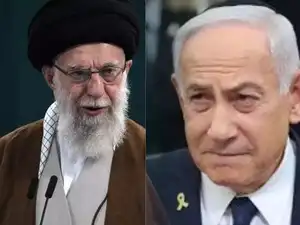
In a dramatic turn of events in the Middle East, Israel launched a massive military operation named Operation Rising Lion targeting Iran’s nuclear infrastructure and key military positions. The strikes on June 13, 2025, mark one of the most significant escalations between the two regional rivals in recent history.
The Israeli Defence Forces (IDF) conducted coordinated air and missile strikes across various Iranian territories, reportedly hitting over 100 strategic locations. These included nuclear research facilities, ballistic missile development centers, and intelligence headquarters. The primary target appeared to be sites associated with Iran’s nuclear enrichment program, especially in Natanz, a known hub for uranium enrichment.
High-Profile Casualties in Iran
Among the confirmed casualties were top-ranking officials of Iran’s military and nuclear program. These include IRGC Chief Hossein Salami, Armed Forces Chief Mohammad Bagheri, and several senior nuclear scientists, such as Fereydoun Abbasi-Davani and Mohammad Mehdi Tehranchi. These targeted killings have sent shockwaves throughout Iran’s defense and political structure.
In response, Iran launched dozens of drones and missiles toward Israeli territory. According to Israeli authorities, most of these were intercepted by the country’s air defense systems, including the Iron Dome. However, the tension continues to rise, with both nations placing their militaries on high alert.
Middle East on Edge
Following the attacks, airspace was temporarily shut down over several countries in the region, including Iran, Iraq, Jordan, and Israel, leading to widespread disruptions in commercial air traffic. The ripple effects extended to global markets, with crude oil prices jumping by more than 10% before stabilizing.
The Israeli government, led by Prime Minister Benjamin Netanyahu, defended the strikes, claiming they were necessary to halt Iran’s alleged path toward nuclear weaponization. In a public statement, Netanyahu said, “We will take all necessary actions to ensure the safety of our people and to prevent a nuclear Iran.”
Iran, meanwhile, has vowed retaliation and condemned the attacks as “an act of war.” The country’s foreign ministry accused the United States of indirectly supporting the Israeli strikes, a claim Washington strongly denies. U.S. officials emphasized they were not involved in the operation and have urged both sides to exercise restraint.
Global Reaction and Future Outlook
The international community has expressed grave concern over the escalation. The United Nations, European Union, and several countries, including France, Japan, Germany, and Turkey, have called for immediate de-escalation and a return to diplomatic dialogue.
The IAEA (International Atomic Energy Agency) has reported no radiation leaks or critical damage to Iran’s nuclear reactors but is closely monitoring the situation. Meanwhile, diplomatic efforts to resume stalled nuclear talks with Iran are now in jeopardy, as Tehran has signaled it may withdraw from ongoing negotiations in Oman.
With Operation Rising Lion still underway and both nations standing firm, the world watches anxiously as a volatile situation unfolds—one that could shape the geopolitical balance of the Middle East for years to come.




