



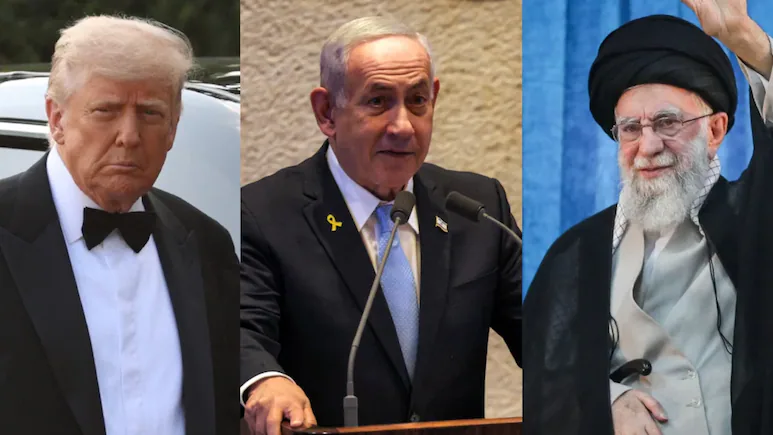
The United States has heightened its security alert in the Middle East following reports that Israel is preparing to strike Iran’s nuclear sites—possibly occurring without prior U.S. approval. According to U.S. intelligence shared with the Washington Post, Israel may act unilaterally if nuclear negotiations falter.
President Trump has responded by authorizing the partial evacuation of American personnel from the region, including non-essential staff at the U.S. Embassy in Baghdad, and permitting voluntary departure for military families stationed in Bahrain, Kuwait, and other nearby areas . He described the Middle East as a “dangerous place”, reinforcing that the U.S. will not allow Iran to develop nuclear weapons.
What Triggered the Alert?
- Israeli military readiness: CBS News and The Times of Israel report that Israel is “fully ready” to conduct a strike on Iranian nuclear facilities, citing military preparations and intelligence monitoring.
- IAEA nuclear breach: The UN’s nuclear watchdog disclosed that Iran violated non‑proliferation obligations for the first time in 20 years, with its highly enriched uranium stockpile growing, heightening international alarm.
- U.S.–Iran talks on the brink: With nuclear negotiations stalling and Iran rejecting the latest U.S. proposals via Oman, hopes for a diplomatic resolution are fading.
U.S. Response and Military Precautions
- Evacuation orders: Non-emergency embassy staff in Baghdad have been instructed to leave. Simultaneously, military dependents in Bahrain, Kuwait, and Iraq can exit.
- Travel advisories: The State Department issued a travel advisory update on June 11, urging caution in the region and activating emergency action plans across embassies in at-risk countries .
- Oil market impact: The geopolitical risk spurred a temporary spike in crude oil prices—international benchmarks rose over 4% before easing slightly.
Regional Fallout Risk
Iran has warned it would respond aggressively to any attack on its nuclear infrastructure, threatening to strike U.S. bases across the region if attacked.
Meanwhile, the U.K.’s Maritime Trade Operations has issued advisories for ships navigating the Strait of Hormuz, Gulf of Oman, and Arabian Gulf, citing the increased likelihood of military escalation.
What Happens Next
- Negotiations remain critical: A sixth round of talks is scheduled in Oman, though Iran has yet to respond formally to recent U.S. overtures. Continued diplomacy remains Trump’s ostensible preference, though he conceded military options “will have no choice” if Iran doesn’t halt uranium enrichment.
- Regional forces on standby: U.S. military units, including those in CENTCOM, maintain readiness for rapid deployments, and security for key diplomatic sites has been augmented.
- Oil and markets watch closely: Energy markets and shipping lanes will remain volatile until diplomatic or military developments clarify the path forward.




