



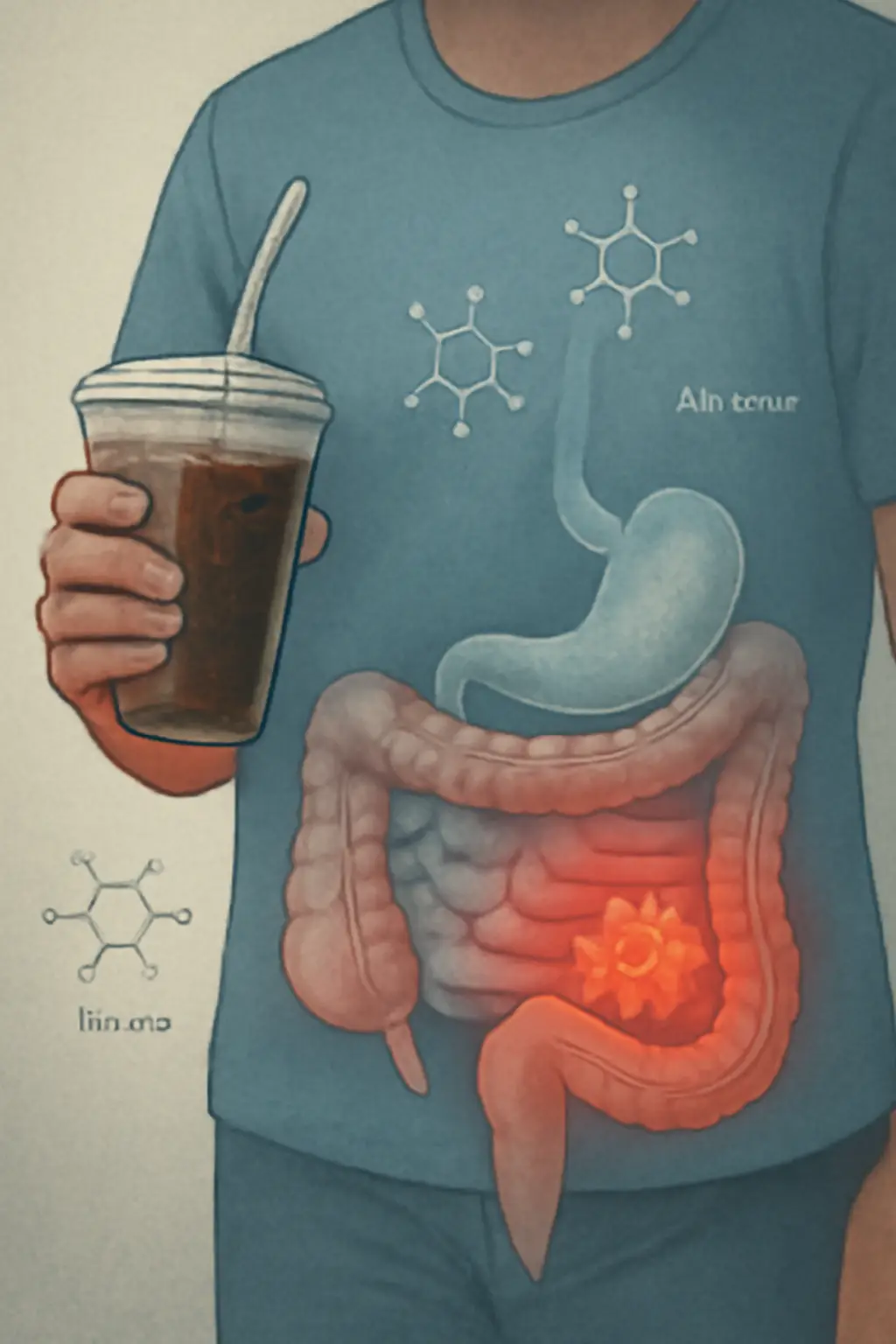
- A recent preclinical study by MD Anderson Cancer Center, published in Nature Metabolism, demonstrates that the glucose-fructose combination in many sugary drinks can directly promote colorectal cancer metastasis.
- The study showed that when advanced colorectal cancer cells are exposed to a mix of glucose and fructose (as in sodas, fruit juices, and high-fructose corn syrup), they become more mobile and more likely to spread to the liver.
- Researchers identified the enzyme sorbitol dehydrogenase (SORD) as a key player. This enzyme helps use the glucose-fructose mix to boost cellular pathways linked with metastasis. Blocking SORD reduced the spread in lab models.
How It Works: Mechanism Behind the Spread
The study traced how consumption of combined glucose and fructose shifts metabolic activity in cancer cells. Key findings include:
- The sugar mix activates the polyol pathway, especially the reverse reaction of SORD, which increases the NAD⁺/NADH ratio. This change helps cancer cells ramp up glycolysis (sugar-burning) and fuels downstream pathways like the mevalonate pathway.
- Tumours with normal SORD expression showed much higher metastatic behavior compared with ones where SORD was genetically knocked out.
Why It Matters for Patients & Public Health
- This is the first direct evidence in lab models showing that sugar in drinks doesn’t just associate with cancer but can worsen progression and spread once cancer exists.
- For people with colorectal cancer, particularly in advanced stages, cutting back on sugary drinks could help slow metastasis, according to the researchers.
- The findings suggest new treatment angles: targeting SORD enzyme, adjusting diet to reduce glucose + fructose intake, and possibly repurposing medications that affect the mevalonate pathway (like statins).
Prior Evidence & Why This Adds New Insight
- Earlier epidemiological studies had already linked high intake of sugar-sweetened beverages with greater colorectal cancer risk among younger women, and with cancer recurrence and mortality in general.
- What sets this new study apart is its mechanistic clarity: it doesn’t just find correlation, but shows causation in animal models, and establishes how the glucose-fructose mix acts via SORD to promote metastasis.
What to Do: Practical Advice & Next Steps
- Patients diagnosed with colorectal cancer: consider discussing with medical providers whether reducing or avoiding sugary drinks is advisable. Dietary guidance may need updating in light of these findings.
- For the general public: minimizing consumption of sugar-sweetened beverages (sodas, packaged fruit juices, energy drinks) remains sensible, not only for weight and metabolic health but also potentially for cancer prevention.
Researchers and clinicians might explore drugs or dietary supplements that inhibit SORD or the downstream pathways (like the mevalonate pathway) to see if these can help limit metastasis.




