



-
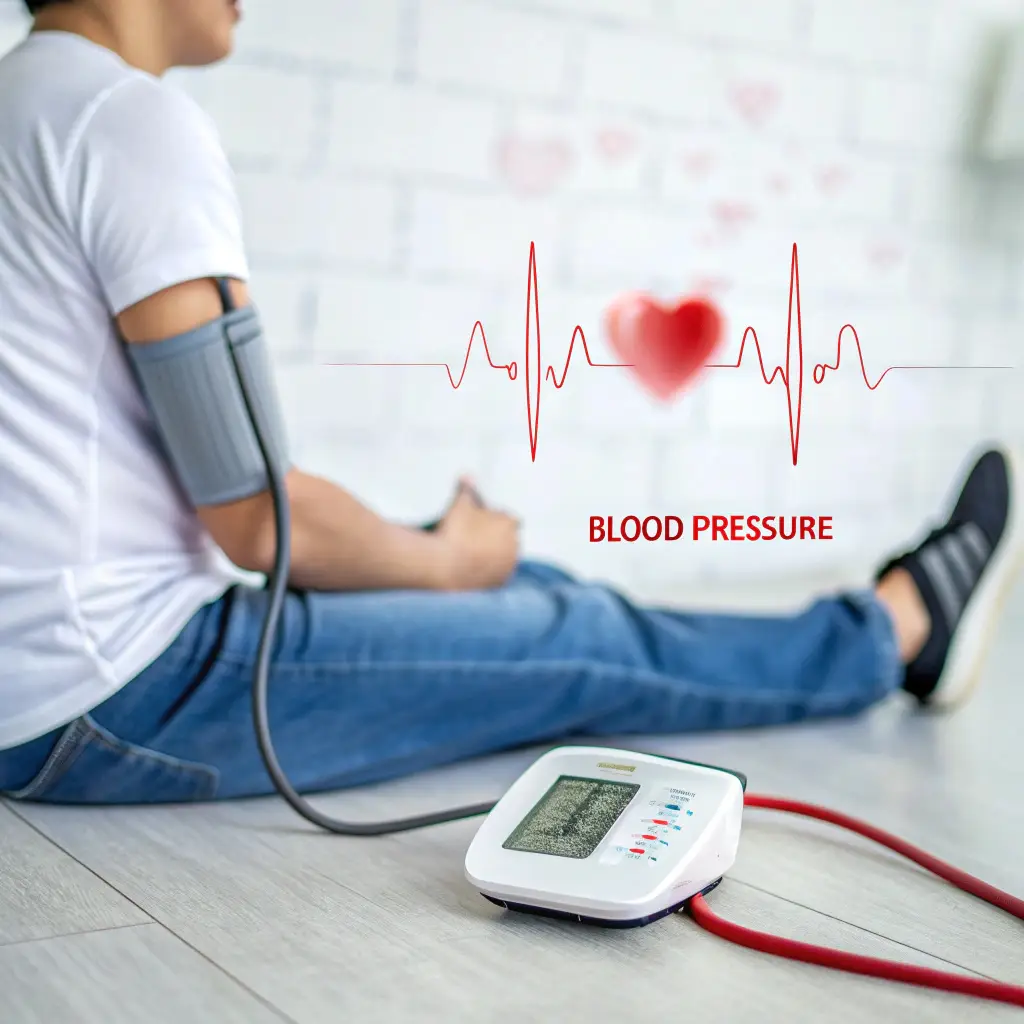
- Nearly half of U.S. adults (around 120-125 million people) are now living with high blood pressure, also known as hypertension. Despite its prevalence, many are unaware of their condition because it often shows almost no symptoms, which is why it’s dubbed the “silent killer.”
In 2023 alone, high blood pressure was a primary or contributing factor in over 660,000 deaths in the U.S.
Subtle Signs You Might Overlook
While many people have no symptoms, some might experience early signs that are commonly ignored:
- Headaches, particularly in the mornings
- Dizziness or feeling light-headed
- Shortness of breath during exertion or stress
- Slight nosebleeds (though rare)
- Occasional chest discomfort
Since these symptoms are non-specific, they are often attributed to other causes. That’s why regular blood pressure checks are essential to catch hypertension early.
Why So Many Remain Undiagnosed
- Misconceptions abound: A large number of people believe that high blood pressure always causes dramatic symptoms, when in fact it often does not.
- Updated guidelines lowered the threshold for diagnosing hypertension to 130/80 mm Hg, which means more people now fall under the “high blood pressure” category.
- Many skip routine health checks. Because hypertension can develop gradually, occasional visits to the doctor might result in missed elevated readings.
Natural Ways to Lower Blood Pressure
For many, lifestyle changes can make a big difference—even without medication:
- Reduce salt intake and avoid overly processed foods
- Eat a balanced diet rich in fruits, vegetables, whole grains, and lean proteins
- Stay physically active: aim for at least 150 minutes of moderate cardio each week
- Maintain a healthy weight
- Limit alcohol use and quit smoking if applicable
- Manage stress through methods like meditation, breath work, or mild yoga
These steps can help lower blood pressure and reduce the risk of heart disease and stroke.
When to Contact a Doctor
You should seek medical advice if:
- You consistently measure readings of 130/80 mm Hg or higher
- Symptoms like severe headaches, chest pains, shortness of breath, or vision changes occur
- You have a family history of heart disease or other risk factors
- Nearly half of U.S. adults (around 120-125 million people) are now living with high blood pressure, also known as hypertension. Despite its prevalence, many are unaware of their condition because it often shows almost no symptoms, which is why it’s dubbed the “silent killer.”




