



- A new AI-powered social media craze called “Hug My Younger Self” is spreading fast. Created via Google Gemini’s Nano Banana tool, it lets users generate heartwarming images of their present self hugging their childhood self. The edits often mimic Polaroid-style photographs with nostalgic, emotional settings. The visuals tend to use old and new photos blended seamlessly with prompts, soft lighting, nostalgic color tones, and backgrounds that evoke memories. It’s not just about aesthetics—it’s about reflecting on personal growth and inner child healing.
Alia Bhatt’s Take
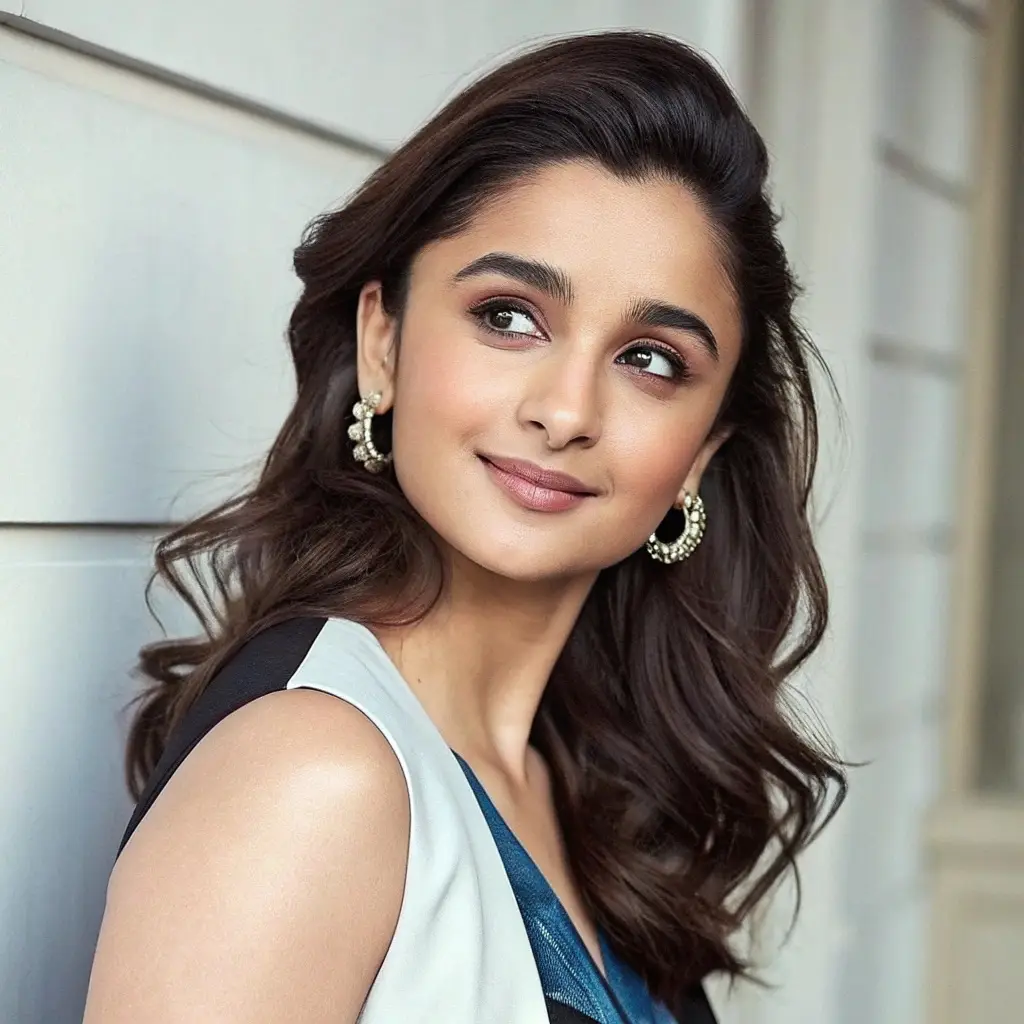
Bollywood actress Alia Bhatt has joined the trend. She reshared a fan-made edit where her adult self hugs her younger self. The caption she used:
“Sometimes we just have to reach out and hug our inner eight-year-old. Thank you for this one.”
She also added a song in the background of her Instagram story and expressed how moved she was by the idea that her younger self “would be so proud today.”
Why the Trend Resonates
- Self-compassion & introspection: Many people are using the trend as a way to revisit childhood, reflect on growth, and show kindness to their younger selves.
- Nostalgia and emotional appeal: The visuals tend to evoke warm, sentimental feelings—buzz-worthy on social platforms for both emotional and aesthetic reasons.
- Simple to participate in: The tool is easy to use—upload past and current photos, provide a prompt, and let Gemini’s Nano Banana do the rest. Even imperfect images can produce meaningful results.
How to Create Your Own
If you want to try this trend yourself, here’s a quick guide:
- Open Google Gemini’s Nano Banana feature.
- Choose two photos: one recent and one from childhood, where faces are clear.
- Use prompts like, “Make a Polaroid-style image of my present self hugging my younger self in a sunlit room,” or “present-me hugging 8-year-old me, warm lighting, emotional.”
- Adjust background, lighting, and emotional tone to suit your taste.
Things to Keep in Mind
- Privacy and consent: When using childhood photos or images that involve others, ensure permissions and avoid using others’ likenesses without consent.
- Image rights / personality rights: Some public figures have raised concerns about their images being edited or used in AI content without permission. This trend, being AI-based, means these issues are relevant.
- Authenticity of edits: AI edits are fun and creative, but the emotional impact may vary depending on how closely the AI preserves facial features and expression.
- Self-compassion & introspection: Many people are using the trend as a way to revisit childhood, reflect on growth, and show kindness to their younger selves.




