



- After releasing iOS 26, Apple officially acknowledged that some users might notice battery life dropping temporarily. The company says this is normal for major software updates. What causes this dip? Things like background tasks — indexing photos, re-downloading assets, refreshing app content — which demand extra power until they finish.
Apple also warns that new features in iOS 26 may require greater resources. Depending on how someone uses their iPhone, these features could lead to a “small impact” on battery life and overall performance.
Why the Battery Seems Worse at First
Here’s what usually happens right after updating:
- The device is busy behind the scenes: full indexing of files/photos, updating apps, and installing background assets.
- Many users tend to interact more with their device (trying new features, exploring UI changes), which naturally increases battery usage.
- Older iPhones may show more noticeable effects because newer features are often optimized for more recent hardware.
These effects generally taper off within a few days once the backlog of background work finishes.
What iOS 26 Brings That Might Affect Battery
Several features in iOS 26 are designed to enhance user experience, but may draw more power:
- Adaptive Power Mode — a new feature that dials back performance slightly to save energy when needed. It can adjust screen brightness, manage background workloads, and may automatically engage when battery levels drop.
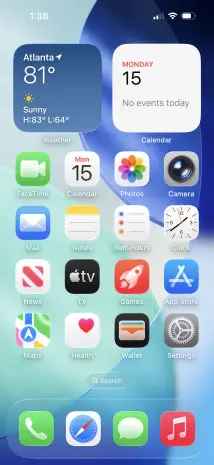
- A fresh UI design called Liquid Glass with translucent and dynamic visual effects, which may increase GPU/display demand, especially in low-light or motion-rich scenarios.
- More system-level services and “live” functions (e.g., call/translate/live caption) that could run more continuously in the background for users who use them.
What Users Can Do to Mitigate
If you’re seeing battery drain after updating to iOS 26, here are tips to help:
- Give it time — let the phone run for 24-48 hours without heavy usage after the update so background tasks complete.
- Enable Adaptive Power Mode to allow your phone to manage power more efficiently.
- Reduce screen brightness and disable “always on” displays where possible.
- Check battery usage settings to identify apps that are consuming more power than usual and limit their background activity.
- Close or uninstall rarely used apps, especially those that have many background services.
When to Worry
While some drop in battery life after an update is expected, you may want to seek help if:
- The battery drain continues beyond a few days.
- Your phone is overheating frequently.
- Battery percentage drops abnormally fast (e.g. big jumps in use with no visible cause).
You use a high-risk scenario: older device models, degraded battery health, or heavy daily usage combining new features.




