



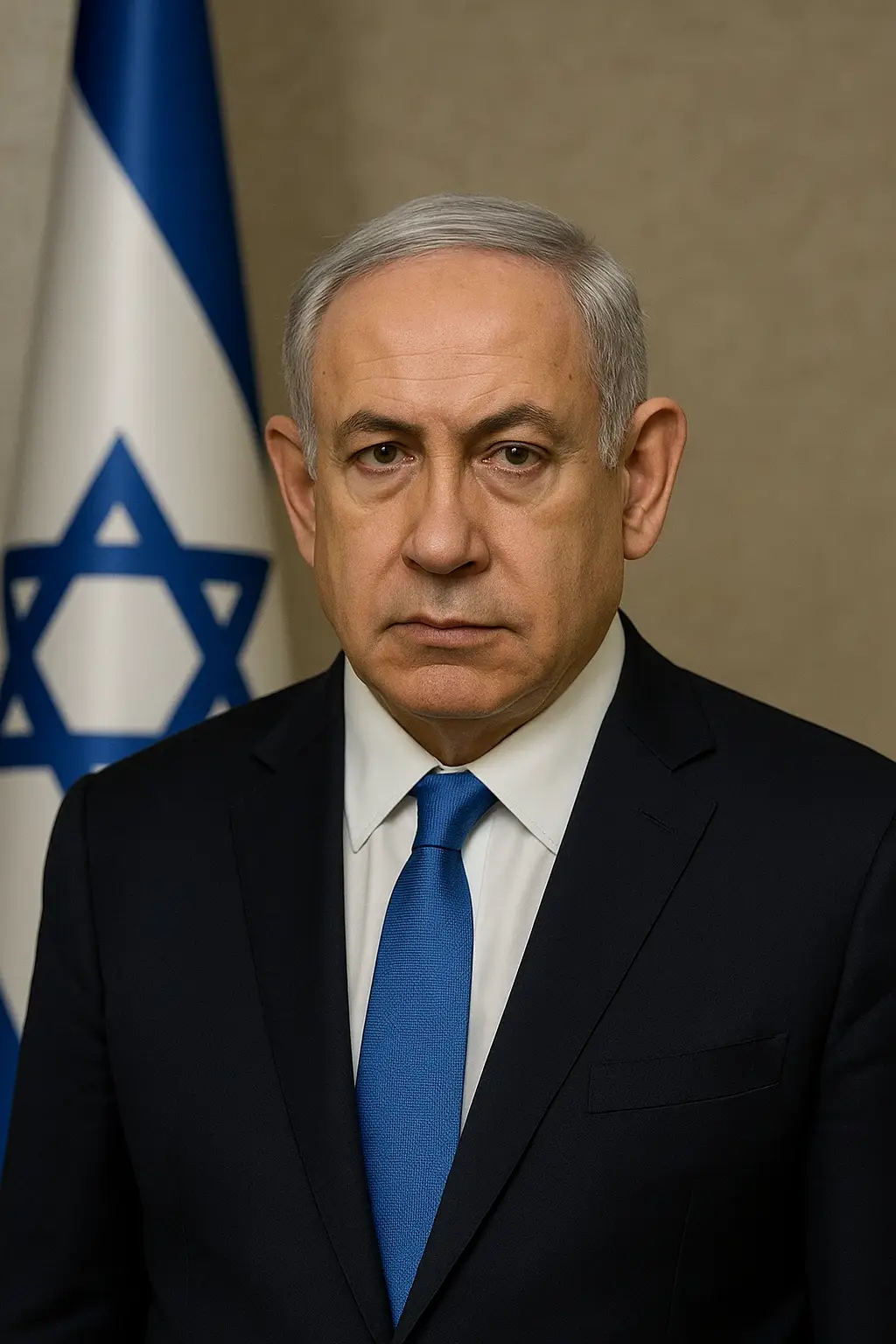
- Israeli Prime Minister Benjamin Netanyahu has reaffirmed that “there will be no Palestinian state”, stating “this place belongs to us” during a signing ceremony on September 11, 2025. The declaration came as he officially advanced plans to expand Israeli settler infrastructure in the West Bank, particularly the controversial E1 area near Ma’ale Adumim.
At the event, Netanyahu announced intentions to double the population of Ma’ale Adumim. He described the expansion plan as part of protecting Israel’s land, heritage, and security.
Details of the E1 Settlement Expansion
The E1 area is a roughly 12-square-kilometre tract in the occupied West Bank, adjacent to Jerusalem and Ma’ale Adumim.
- The plan includes building about 3,400 new homes for Israeli settlers.
- Along with the housing, major infrastructure upgrades and new roads are part of the plan.
- Critics warn the expansion would bisect the West Bank — severing geographical links between East Jerusalem and other parts.
International & Palestinian Response
Palestinian authorities immediately rejected Netanyahu’s announcement. They say that East Jerusalem is a non-negotiable capital for their envisioned future state.
International law, including U.N. resolutions, generally considers Israeli settlements in the West Bank as illegal and as obstacles to peace. The E1 expansion provoked criticism from numerous countries and rights groups, with warnings that it could make a viable two-state solution impossible.
Meanwhile, several Western governments are pressing forward with plans to recognise Palestinian statehood later this month, putting added diplomatic pressure on Israel.
Why This Is Significant
- Territorial continuity threatened: Observers say the plan cuts off East Jerusalem from the West Bank, potentially rendering a future Palestinian state non-contiguous and undermining its viability.
- Two-state solution’s status: Netanyahu’s vow directly challenges the long-endorsed framework that envisions a sovereign Palestinian state alongside Israel.
- Diplomatic fallout: The move is likely to strain Israel’s relations with Western allies. Some nations may increase recognition of Palestine or raise formal objections.
What Comes Next
- Implementation of the E1 expansion will proceed, now that planning approval has been finalized. Construction, housing, and infrastructure work are expected.
- International reaction will be something to watch — recognitions of Palestine, diplomatic rebukes, or UN actions could increase.
The Palestinian leadership has already reiterated that efforts toward statehood remain “inevitable,” despite Israel’s stance.




