



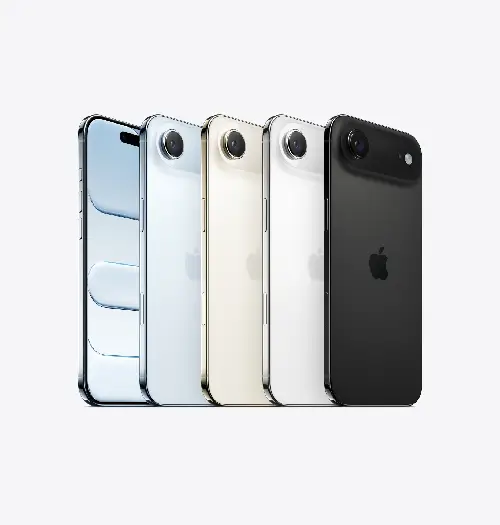
Apple has introduced the iPhone Air, its slimmest iPhone yet, measuring just 5.6 mm thick. This latest model marks a bold move in Apple’s lineup, showcasing both sleek aesthetics and a lightweight build without compromising premium materials.
Crafted with a titanium frame and decks of Ceramic Shield 2 glass on front and back, the iPhone Air retains durability while pushing design boundaries. Apple claims it still supports all-day battery life despite the ultra-slim profile.
Key Specifications at a Glance
Here are the standout specifications for the iPhone Air:
Price, Availability & What It Replaces
The iPhone Air begins at US$999 for the 256 GB model. Pre-orders start on September 12, 2025, with general availability from September 19. It effectively replaces the former “Plus” model range, offering users a premium-feature device with a slimmer profile.
What’s New, What’s Different
- Compared to the regular iPhone 17 and Pro models, the iPhone Air trades off some pro-level versatility for design elegance. There’s only one rear main camera instead of multiple lenses.
- Apple emphasizes portability; the phone is noticeably lighter and thinner, which may appeal to users who find larger or thicker phones cumbersome.
- The reliance on eSIM only for connectivity is a bigger change. There is no physical SIM tray, which could affect users in regions where eSIM support is still limited.
Considerations & Trade-Offs
While the iPhone Air has wowed many with its design, there are caveats:
- Battery capacity is less explicitly detailed by Apple; some skeptics wonder whether thin design will limit endurance under heavy use.
- The single rear camera, while high quality, lacks features like ultrawide or high-zoom lenses found in Pro models.
An eSIM-only design may be an adjustment for users accustomed to swapping physical SIM cards.




