



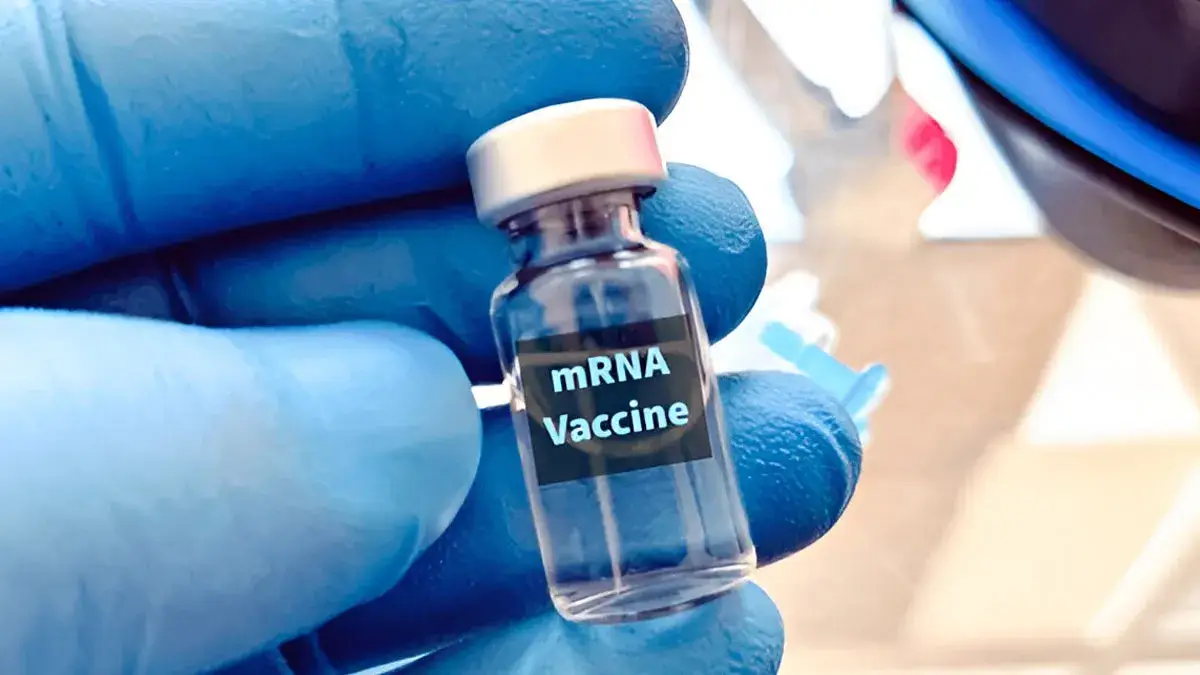
Russia has announced a medical milestone with Enteromix, an mRNA-based cancer vaccine that achieved 100% efficacy and safety in early clinical trials targeting colorectal cancer. Developed by the National Medical Research Radiology Centre and the Engelhardt Institute of Molecular Biology, the vaccine employs cutting-edge mRNA technology similar to that used in COVID-19 vaccines.
Vaccine Customization and Mechanism
Enteromix is uniquely personalized—each dose is developed based on the patient’s tumor RNA profile, enabling immune cells to recognize and attack cancer cells with precision. Initial trials involved 48 volunteers, and outcomes included notable tumor shrinkage, halted progression, and no severe side effects.
Bridging Promise and Practicality
These findings have prompted health authorities in Russia to declare Enteromix “ready for clinical use”, with plans to offer it free of charge to patients upon approval.
Experts, however, urge caution. While the early results are encouraging, limits such as small sample size, lack of peer-reviewed data, and unknown long-term outcomes mean the vaccine remains experimental. Scaling production, ensuring equitable distribution, and managing personalized manufacturing logistics present further challenges.
What Comes Next
The vaccine has passed preclinical and early human trials, but now requires official approval from the regulatory body to begin widespread clinical application in Russia. The upcoming phases—Phase II and III trials—will be crucial to confirm its efficacy across diverse patient groups.
Global Impact and Future Prospects
If validated through robust, larger-scale trials, Enteromix cancer vaccine could transform oncology by offering treatment that is precise, effective, and well-tolerated—a major shift from existing chemotherapy and radiation therapies. The international scientific community will watch closely as global rivals like BioNTech and Moderna are already making strides in mRNA-based cancer vaccines.




