



-
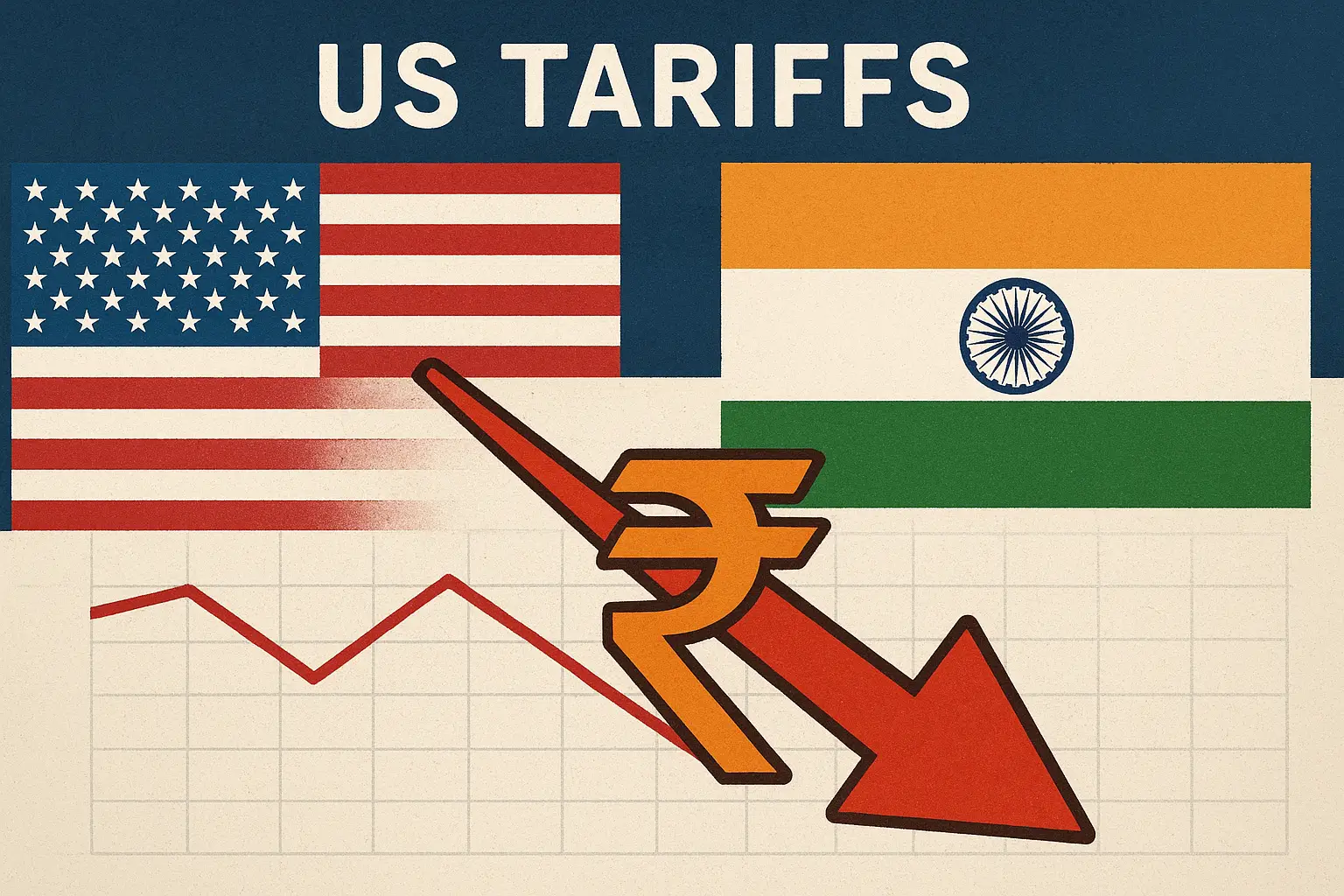
- India’s currency, the rupee, recently plunged to a historic low of ₹88.33 per US dollar, marking a critical moment for exporters, importers, and global investors. The sharp depreciation followed hefty new tariffs from the United States, intensifying pressure on India’s trade balance and monetary stability.
US Tariffs Spark Rupee Turmoil
A bold 50 % tariff on Indian goods—split evenly between general and additional duties—shook markets as key sectors like textiles, jewelry, and engineering took the hit. India’s export competitiveness was severely dented.
The currency breach surprised many, even though the Reserve Bank of India (RBI) remains committed to moderating volatility, not maintaining a fixed exchange level. Analysts suggest the central bank allowed the rupee’s depreciation to cushion exporters against tariff pressures.
Volatile Moves, Uncertain Outlook
Post-record low, the rupee staged a mild rally, strengthening to ₹88.00 before stabilizing near ₹88.15. Persistent importer demand, especially from oil companies, limited a significant recovery.
Forward contracts suggest modest optimism: the rupee is expected to trade between ₹88.04–₹88.08, reflecting hopes of easing depreciation risk. Positive commentary around a potential US–India trade deal also buoyed sentiment.
Yet, uncertainty lingers. With global risk sentiment fragile and foreign portfolio outflows intensifying, volatility may persist.
RBI: Cautious but Confident
The RBI remains cautious, intervening defensively to thwart disorderly swings. Rather than defending a specific threshold, its focus continues to keep the currency’s movement gradual.
In the recent State of the Economy report, the RBI acknowledged tariff-related risks but maintained a positive outlook on domestic growth supported by strong financial conditions.
Additionally, the central bank has kept its key interest rate steady at 5.5 %, recognizing uncompleted effects from earlier rate cuts and citing external trade tensions as a cautionary factor.
Global Relevance
A weakening rupee raises import costs—especially for essentials like crude oil—ushering inflation risks that may ripple through household budgets and business costs globally.
Simultaneously, exporters may gain price competitiveness abroad, partly offsetting tariff impacts, though this relies heavily on market access and geopolitical stability.
Investors abroad must monitor these developments closely, as emerging-market volatility and shifting trade dynamics may affect asset allocations and cross-border economic strategies.
- India’s currency, the rupee, recently plunged to a historic low of ₹88.33 per US dollar, marking a critical moment for exporters, importers, and global investors. The sharp depreciation followed hefty new tariffs from the United States, intensifying pressure on India’s trade balance and monetary stability.




