



-
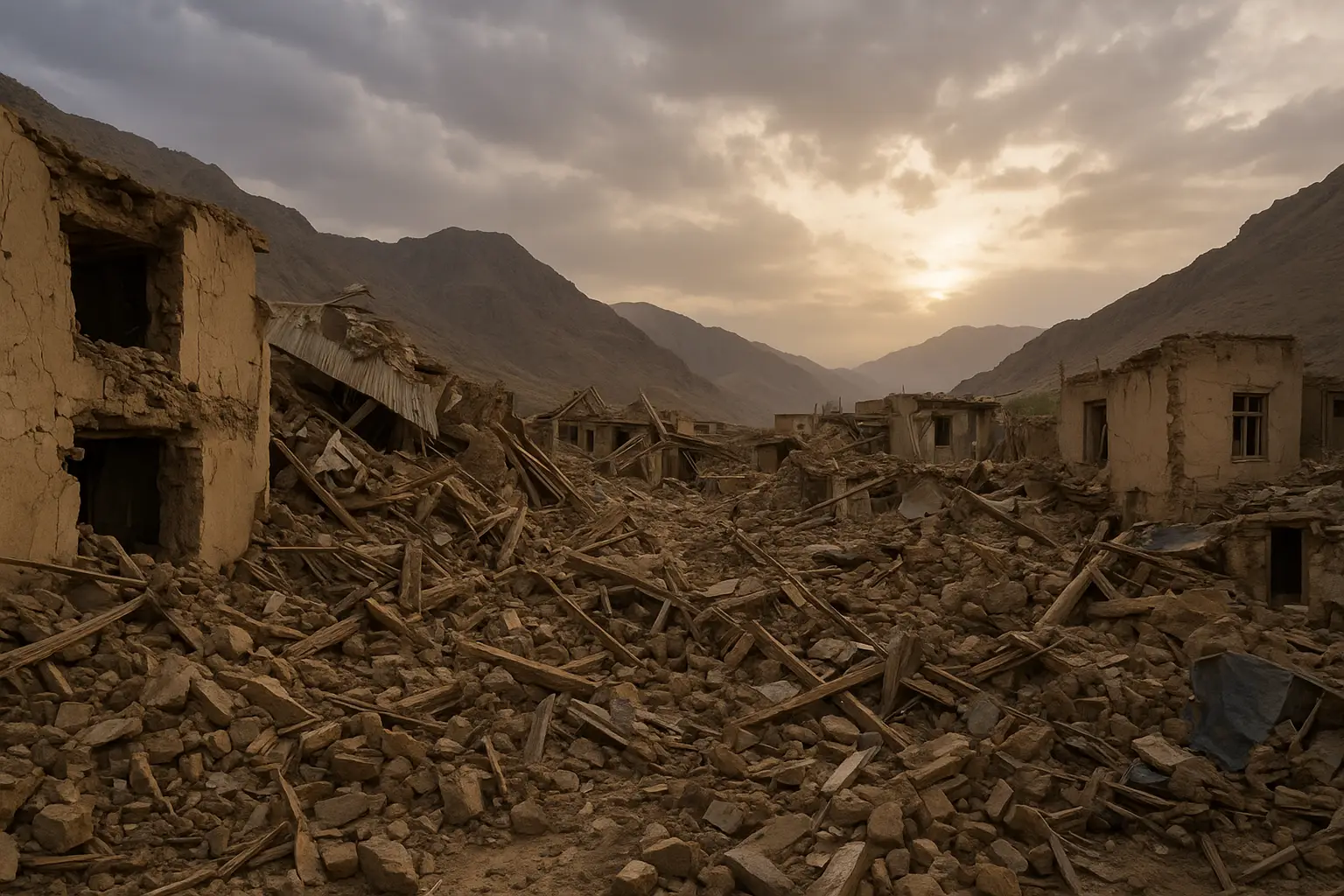
- On the night of 31 August 2025, a severe magnitude 6.0 earthquake rocked eastern Afghanistan, claiming over 1,400 lives and injuring more than 3,100 people. The disaster struck remote areas near the Pakistani border, especially Kunar, Nangarhar, and Laghman provinces, where entire villages were reduced to rubble.
Relentless Aftershocks and Rescue Struggles
The first quake was soon followed by powerful aftershocks—including a 5.2 magnitude tremor two days later—that compounded destruction and halted relief efforts. Rescuers faced numerous obstacles: landslides, blocked roads, and harsh mountainous terrain made reaching survivors extremely challenging.
Survivors described grim scenes. Some dug graves with pickaxes to bury loved ones, while others were left homeless, sleeping in open fields amid ongoing aftershocks.
Humanitarian Crisis in a Fragile State
Afghanistan’s weakened infrastructure, compounded by reduced international funding, limited the response. Prior cuts to emergency aid—especially shelter funding—hampered UN and NGO operations.
Despite these constraints, the Taliban-run government deployed helicopters, commandos, and emergency shelters. However, funding shortfalls and geopolitical tensions delayed critical support.
International Aid: India Leads with Immediate Relief
Amid the crisis, India emerged as a key aid partner, airlifting 21 tonnes of relief supplies to Kabul. The shipment included blankets, tents, hygiene kits, water purifiers, sleeping bags, medicine, and wheelchairs. India pledged continued support based on on-ground developments.
Beyond India, the United Nations, the EU, the UK, China, Iran, Switzerland, UAE, and others committed aid. The EU pledged €1.2 million and 130 tonnes of supplies, while the UK offered £1 million through trusted partners.
Global Context: Fragility and Urgency
Afghanistan lies in a highly seismic zone. Its rural areas, built with mudbrick and weak materials, are especially vulnerable. Heavy rains and soft soil amplified the quake’s impact. Combined with drought and large-scale deportations, this earthquake plunged the nation deeper into humanitarian peril.
The UN warns of escalating crises: food insecurity, disease risks, and millions requiring urgent aid. For global readers, this catastrophe underscores the urgent need for coordinated humanitarian responses in fragile, disaster-prone regions.
- On the night of 31 August 2025, a severe magnitude 6.0 earthquake rocked eastern Afghanistan, claiming over 1,400 lives and injuring more than 3,100 people. The disaster struck remote areas near the Pakistani border, especially Kunar, Nangarhar, and Laghman provinces, where entire villages were reduced to rubble.




