



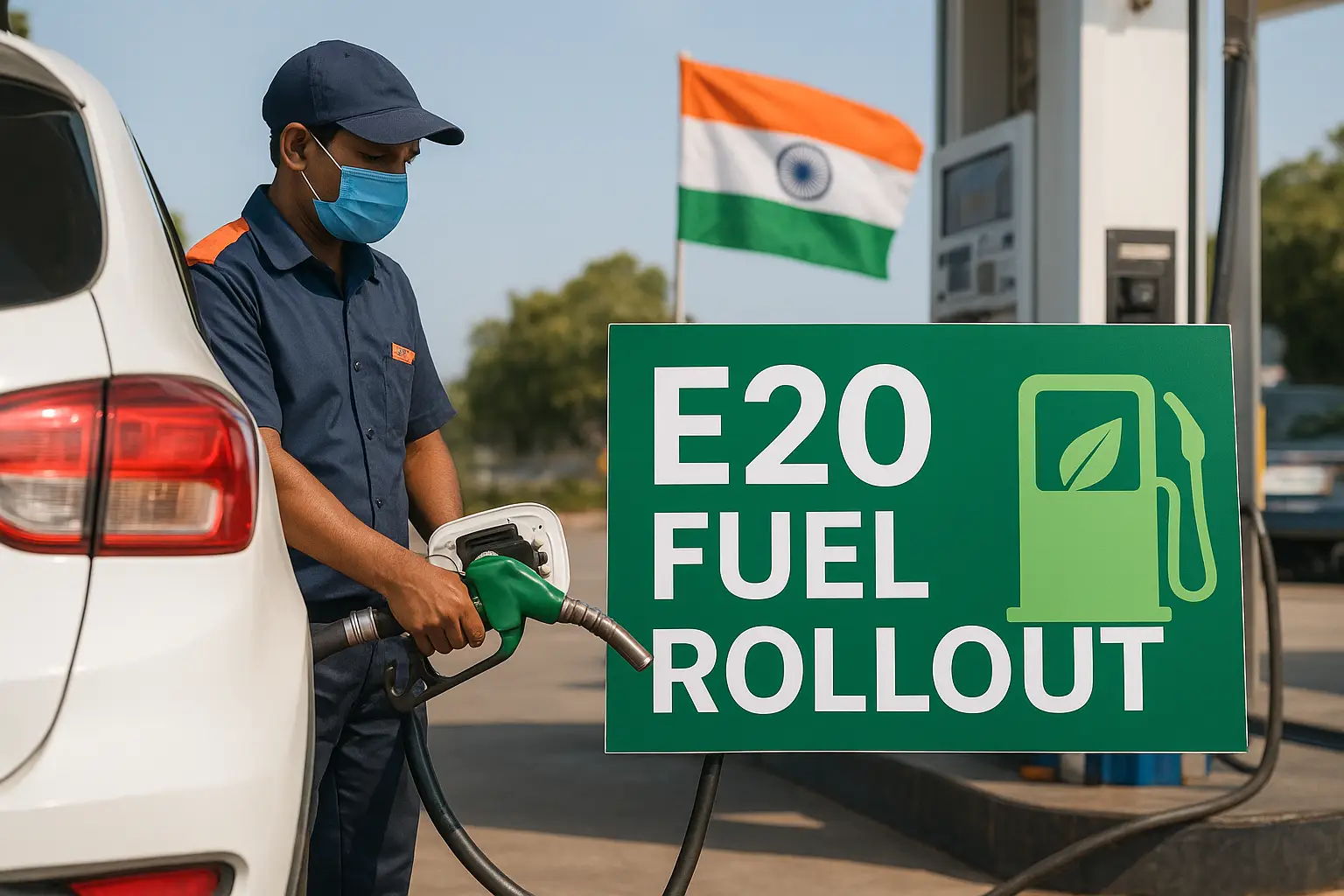
- E20 fuel blends 20% ethanol with 80% petrol, and India has rolled it out across nearly all its 90,000 fuel stations in a bid to meet clean energy goals and bolster energy security. The initiative aligns with Prime Minister Modi’s plan to reduce reliance on oil imports and boost farmers’ livelihoods.
Automakers Assure Safety — but Admit Minor Mileage Loss
India’s leading car manufacturers, through the Society of Indian Automobile Manufacturers (SIAM), affirm that E20 is safe for use across vehicle types. They acknowledge a 2–4% reduction in mileage, far less dramatic than some claims of drastic declines. Crucially, no engine failures have been reported in millions of vehicles using E20. Warranties and insurance coverages remain unaffected.
Renault India also confirmed that E20 performs well in E10-compatible models like the Kiger, Triber, and Kwid, backed by tests conducted with IOC and ARAI.
Public Concerns and Driver Backlash
Despite assurances, many vehicle owners—especially those with older models—have reported issues like reduced fuel efficiency, engine knocking, and damage to hoses or rubbers. A survey by LocalCircles found that drivers demand the continued availability of ethanol-free petrol (E0), as they feel the current rollout forces them into using a controversial fuel blend.
A Public Interest Litigation (PIL) has been filed in the Supreme Court, demanding options like E0 availability, mandatory ethanol content labeling, and a study on E20’s long-term effects. The hearing is scheduled for September 1, 2025.
Government Fires Back Against Misinformation
The Ministry of Petroleum and Natural Gas has pushed back, calling much of the alarm “fear-mongering” and a “false narrative.” It emphasized that E20 improves fuel quality with a higher octane rating and a Research Octane Number (RON) of 95, compared to RON 91 for regular petrol. No insurance or warranty claims are voided due to E20 usage.
The ministry also highlighted the environmental and economic gains of ethanol blending—from reducing carbon emissions to saving crores in foreign exchange payments to oil exporters. It is assured that any required rubber component upgrades are minor, inexpensive, and manageable during routine servicing.
Balancing Clean Fuel Goals with Consumer Concerns
E20 rollout positions India alongside countries like Brazil and the U.S., which have long embraced ethanol-based fuels. While environmental and economic benefits are clear, the controversial switch has exposed gaps in consumer communication and infrastructure readiness.
What lies ahead:
- The Supreme Court ruling on September 1 could influence policy direction.
- The government may need to provide better support for older vehicles and explore staged choices in fuel blends.
- Continued research, transparency, and dialogue will be key to winning public trust.
India’s E20 fuel initiative marks a bold stride towards cleaner energy—but whether it gains grassroots acceptance depends on addressing driver concerns while delivering on sustainability promises.
- The Supreme Court ruling on September 1 could influence policy direction.




