



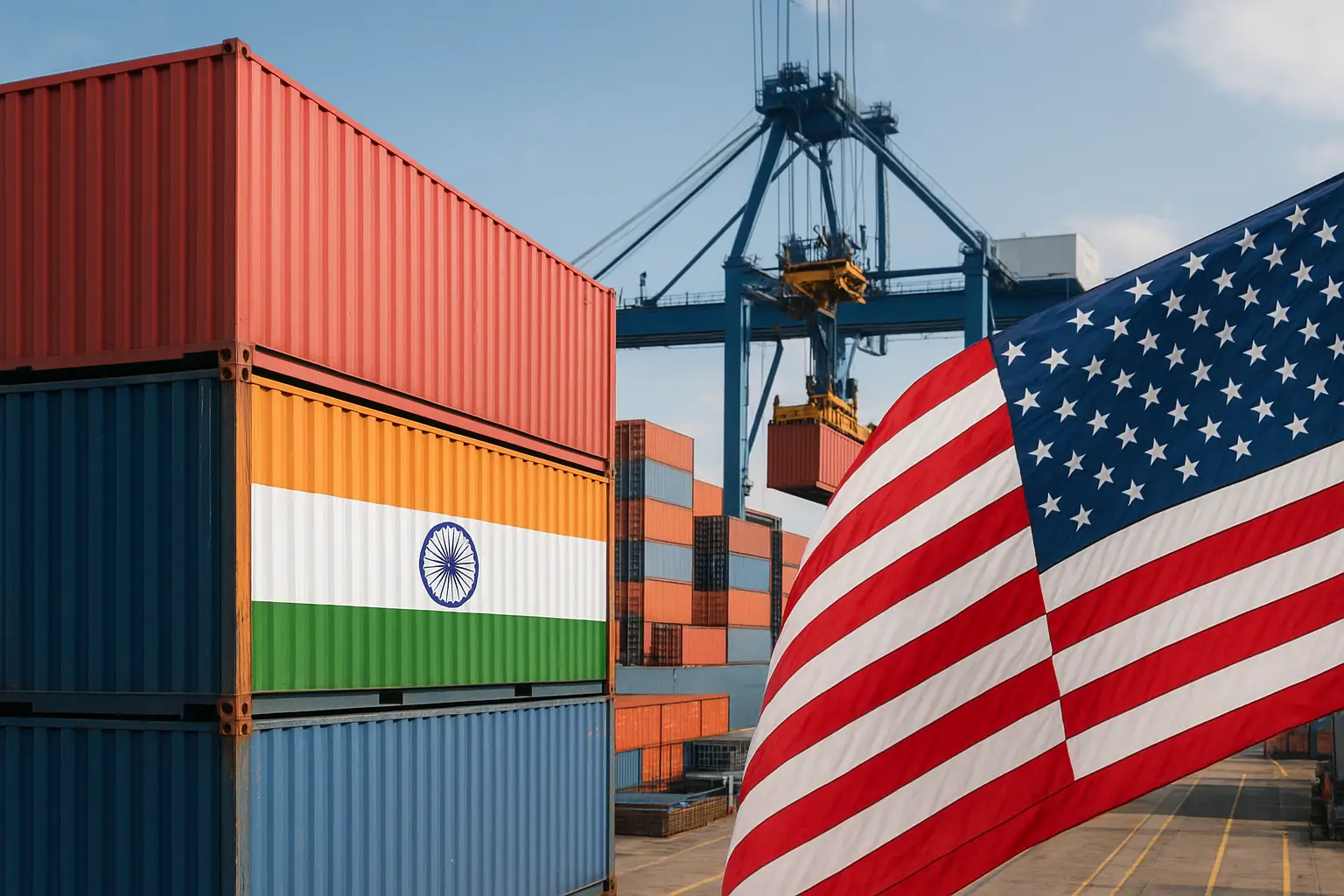
- The United States has sharply escalated its trade dispute with India by doubling tariffs on Indian exports to 50%, in a move that could disrupt billions of dollars in trade and further strain ties between the two nations. The decision, announced on August 27, 2025, has been linked both to India’s continued purchase of Russian oil and to the slow progress of bilateral trade talks.
Why the U.S. Raised Tariffs
Washington had already imposed extra duties earlier this year as a warning over India’s energy trade with Russia. The latest increase adds another 25 percentage points, bringing the effective rate to 50%. According to U.S. Treasury Secretary Scott Bessent, the measure reflects not only New Delhi’s decision to keep buying discounted Russian crude but also frustration with delays in trade negotiations.
“I thought we’d have a deal in May or June,” Bessent said, criticizing what he described as India’s reluctance to move forward. He added that while Washington remains optimistic about an eventual agreement, “they kind of tapped us along.”
Sectors Most Affected
The new tariff covers more than half of India’s exports to the U.S., worth nearly $87 billion annually. Products now facing higher duties include:
- Textiles and apparel
- Gems and jewelry
- Seafood and processed foods
- Furniture and wooden goods
- Polished diamonds
High-value industries such as pharmaceuticals, IT services, and semiconductors have so far been spared, though analysts warn that they too could come under pressure if relations worsen.
Economic Impact on India
Economists and exporters expect the hardest hit will be job-intensive sectors like garments and diamond polishing, which employ millions of workers, particularly in Gujarat and Maharashtra. Trade groups warn that buyers in the U.S. could cut orders drastically, triggering layoffs and factory closures.
India’s Commerce Ministry has begun drafting measures to soften the blow, including financial assistance, export incentives, and redirecting shipments to alternative markets such as the U.K., UAE, and Latin America.
India’s Response
New Delhi has taken a cautious line, describing the tariff hike as a “temporary phase.” Officials stressed that India’s diversified export base would help absorb the shock, while making clear that negotiations with the U.S. would continue—though not at the expense of sensitive sectors such as agriculture and small businesses.
“We are confident this will pass,” one government source said, emphasizing that India remained committed to dialogue but would “not compromise on national interests.”
Broader Geopolitical Fallout
The tariff escalation underscores a troubling downturn in the U.S.–India relationship, which had been touted in recent years as a cornerstone of Indo-Pacific security. Analysts warn the dispute could ripple into other areas of cooperation, including defense and strategic partnerships such as the Quad grouping with Japan and Australia.
U.S. officials, however, insist that despite the current tensions, Washington continues to view India as a critical partner. Bessent expressed hope that talks would resume at a faster pace, hinting that tariff levels could be reconsidered if progress is made.
- Textiles and apparel




