



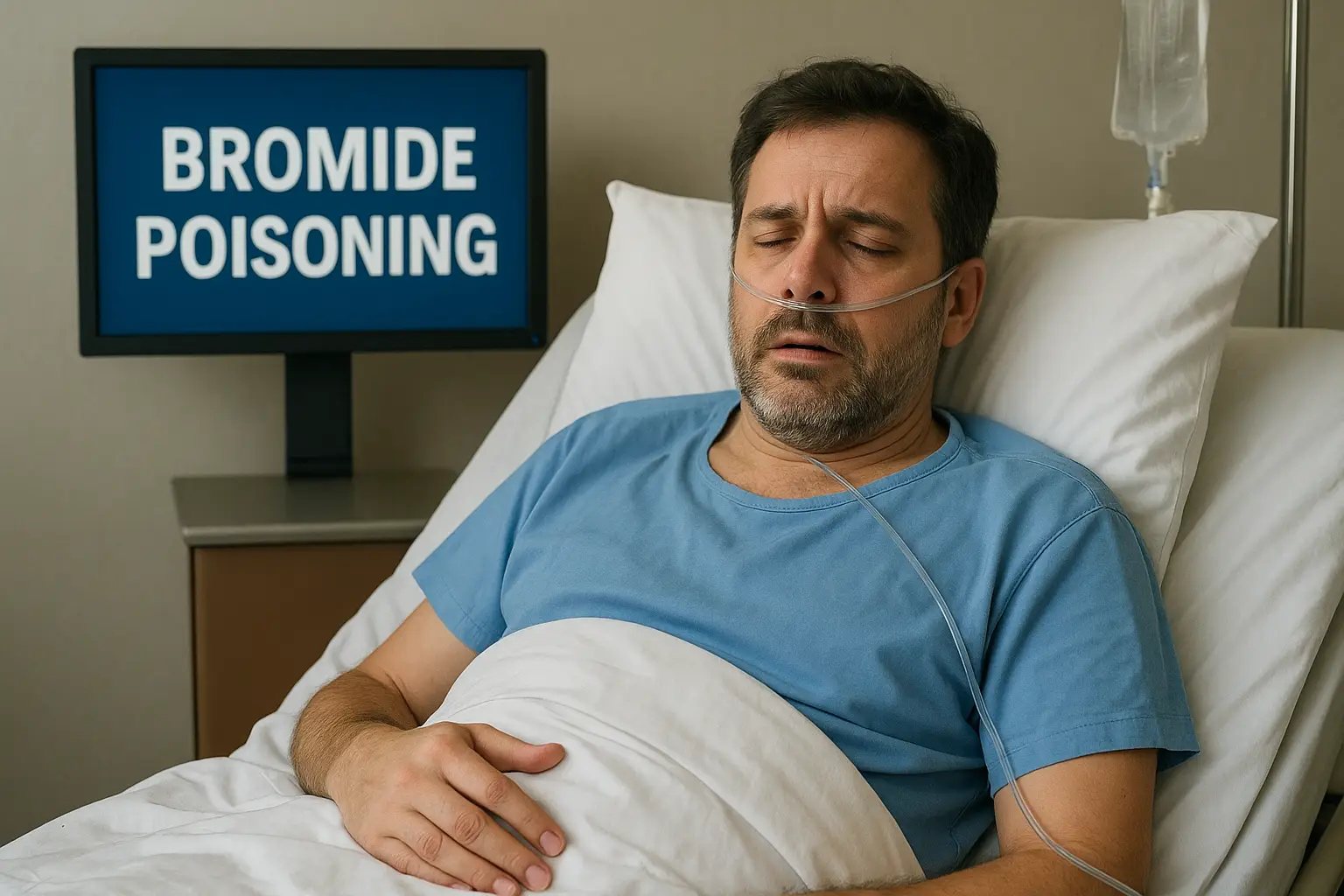
A troubling new case in medical literature has spotlighted the dangers of following AI-generated health advice too literally. A 60-year-old man ended up in the hospital with severe neuropsychiatric symptoms after replacing table salt with sodium bromide, prompted by ChatGPT’s dietary guidance.
The Incident
According to a case report published in Annals of Internal Medicine: Clinical Cases, the man began suffering paranoia, hallucinations, skin rashes, chronic thirst, and unsteady coordination roughly three months after eliminating sodium chloride from his diet. Eventually, his blood work revealed a dangerously high bromide level of 1,700 mg/L, well above the normal 0.9–7.3 mg/L range.
How It Started
The patient, who had no previous psychiatric or major medical history, consulted ChatGPT for ways to “remove salt” from his diet. The AI suggested sodium bromide as an alternative, without warning of its toxicity. Unaware, he purchased the chemical online and began using it as a substitute for salt.
Dangerous Symptoms and Treatment
Upon hospitalization, the patient displayed alarming signs: intense hallucinations, paranoia, insomnia, severe acne, muscle trembling, fatigue, and extreme thirst. Doctors diagnosed bromism, a rare but serious poisoning condition. He was treated with intravenous fluids and electrolyte therapy, and gradually recovered over three weeks, including mental clarity and improved coordination.
AI’s Role and Its Limitations
The doctors replicated the user’s query with ChatGPT and found it indeed suggested sodium bromide without contextual safety norms or health oversight. The report emphasizes that AI tools like ChatGPT may provide technically correct answers, but can dangerously lack the judgment and safeguards provided by medical professionals.
Why This Matters
-
Bromism is rare but serious, previously seen when bromides were used in early 20th-century medications. Symptoms range from psychiatric disturbance to neurological damage and dermatologic issues.
-
AI lacks nuance. Tools might not account for user health conditions, contraindications, or safe alternatives.
Public reliance on AI for health advice is growing; however, without professional medical consultation, the risks are considerable.




