



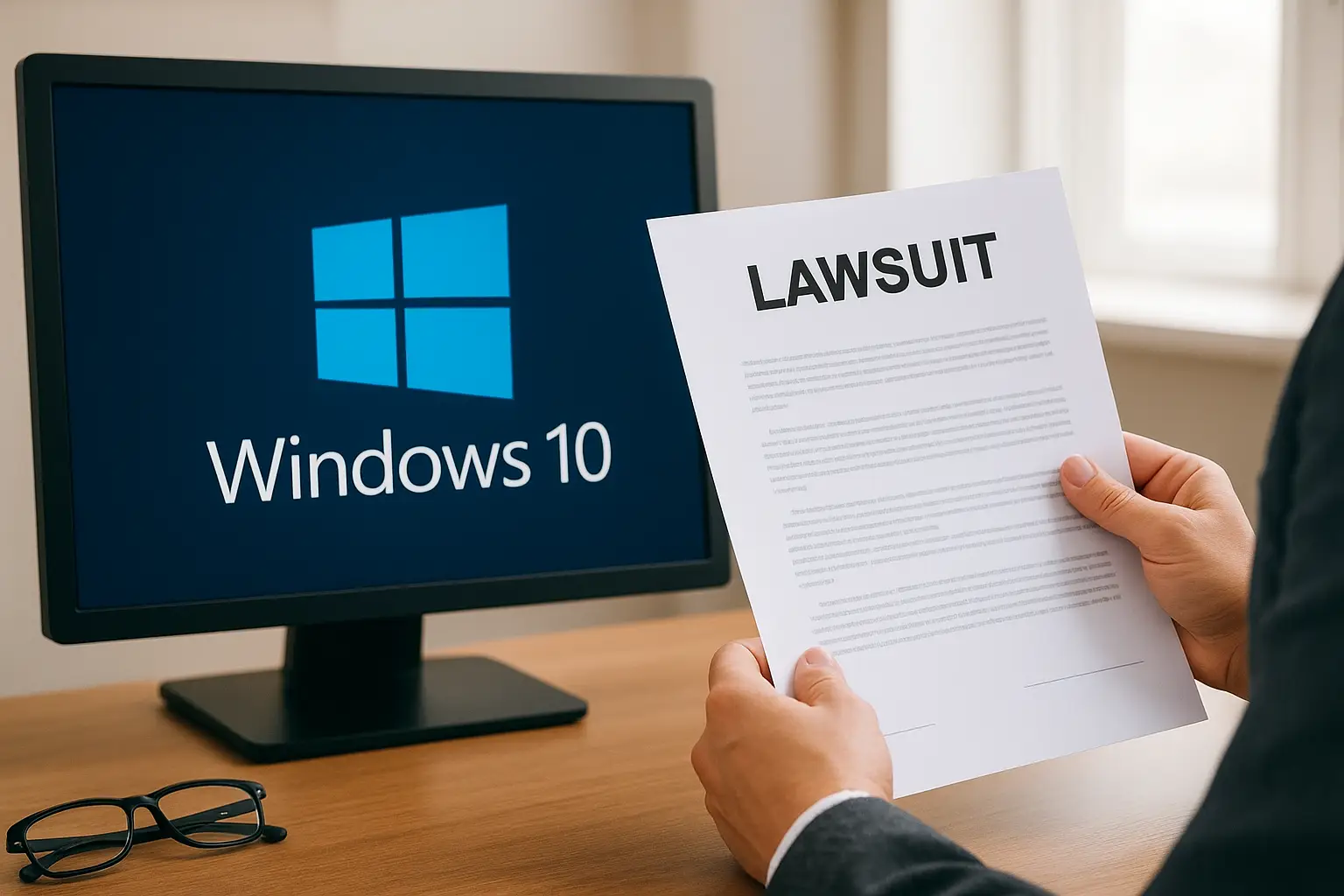
A California resident has filed a lawsuit against Microsoft, challenging the company’s decision to end free support for Windows 10 on October 14, 2025. The suit argues that the move forces users into expensive upgrades while exposing them to heightened cyber threats and generating unnecessary electronic waste.
Background: Deadline Sparks Legal Concern
Plaintiff Lawrence Klein, who owns two Windows 10 devices incapable of upgrading to Windows 11, asserts that without Microsoft’s continued support or affordable alternatives, millions of users will be left vulnerable. “Hundreds of millions of devices may lose security protections, increasing the risk of cyberattacks,” the complaint states. He seeks a court injunction requiring Microsoft to provide free security updates until Windows 10 usage falls below a manageable threshold, and to mandate clearer disclosures of support timelines at the point of sale.
Forced Choices and Environmental Impact
The lawsuit claims the abrupt end to support leaves users with three difficult options: upgrade to Windows 11 (if compatible), pay for Extended Security Updates (ESU), or buy a new device. “This strategy unfairly penalizes users who cannot afford new hardware or extended support,” Klein argues. Additionally, he raises environmental concerns—forcing device replacements contributes to e-waste, harming sustainability efforts.
Microsoft’s Position and Broader Implications
Microsoft recommends upgrading to Windows 11 on eligible hardware or purchasing new devices and notes that ESU programs are available for additional protection. However, the company has not directly responded to the lawsuit’s claims.
As of today, Windows 10 still powers approximately 45% of global Windows devices, or around 700 million PCs, underscoring the magnitude of the transition required.
Key Considerations
This lawsuit highlights a tension between technology companies’ lifecycle planning and users’ financial or technical constraints. It could set a precedent for how long tech giants must support legacy products, balancing innovation with consumer protection.




