



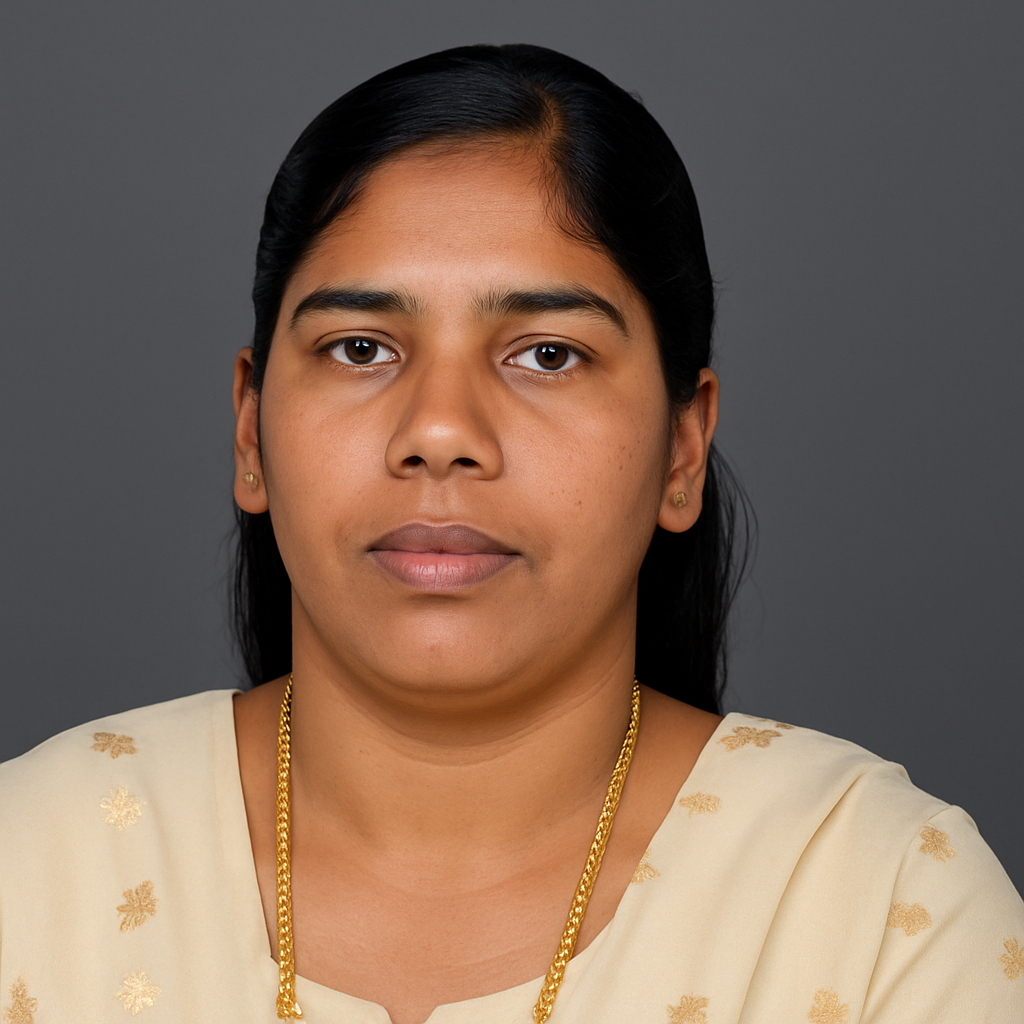
In a major breakthrough, the death sentence of Indian nurse Nimisha Priya, who was convicted for murder in Yemen, has been officially cancelled, according to a statement issued by the office of Indian Grand Mufti Kanthapuram A.P. Aboobacker Musliyar. The announcement brings a wave of relief to Priya’s family and the wider Indian community, who had campaigned tirelessly for her release.
Nimisha Priya, a nurse from Palakkad, Kerala, was sentenced to death in 2020 after being found guilty of murdering her Yemeni business partner, Talal Abdo Mahdi, in 2017. The prosecution alleged that Priya, in an attempt to escape abuse and retrieve her passport, administered an injection that led to Mahdi’s death. Priya claimed she acted out of desperation as Mahdi had allegedly tortured her and confiscated her travel documents.
Her appeals were rejected in Yemeni courts, and her execution was scheduled for July 16, 2025. However, it was stopped at the last moment following high-level interventions from Indian civil society groups and religious leaders. Now, the Grand Mufti’s office has confirmed that Yemen has decided to cancel the sentence altogether, citing a high-level meeting in Sanaa involving Yemeni religious authorities.
While this is a significant development, India’s Ministry of External Affairs (MEA) has not yet issued an official confirmation. According to sources close to the case, discussions with Mahdi’s family regarding the payment of ‘diya’ (blood money)—a provision under Sharia law to seek clemency in capital punishment cases—are still ongoing.
The cancellation marks the most positive turn in Priya’s years-long legal and emotional ordeal. Since her imprisonment, her family and several advocacy groups, including the Save Nimisha Priya International Action Council, have fought to draw attention to the case. Her 13-year-old daughter, Mishel, made emotional public appeals for her mother’s life, which helped mobilise both national and international support.
The Grand Mufti of India, A.P. Aboobacker Musliyar, played a crucial role by sending envoys to Yemen for negotiations. According to his office, the cancellation came after religious authorities in Yemen were convinced by appeals for mercy on humanitarian and ethical grounds. The Mufti’s office also said it would continue to support efforts to bring Priya back to India safely.
The case has garnered attention not only for its legal complexities but also for highlighting the vulnerable conditions faced by Indian migrant workers, especially women, in foreign countries. Human rights advocates have pointed out that Priya’s trial was conducted in Arabic without adequate legal aid or interpretation, raising concerns about procedural fairness.
Despite the positive news, Priya remains in custody, and further diplomatic steps are required to finalise her release and repatriation. The next phase involves formal agreement on diya with the victim’s family and an official clearance from the Yemeni government.
Until then, optimism grows among supporters who see this as a rare and powerful example of faith-based diplomacy and cross-border humanitarian advocacy. If fully resolved, it could set a precedent for future interventions in similar international legal crises involving Indian citizens abroad.




