



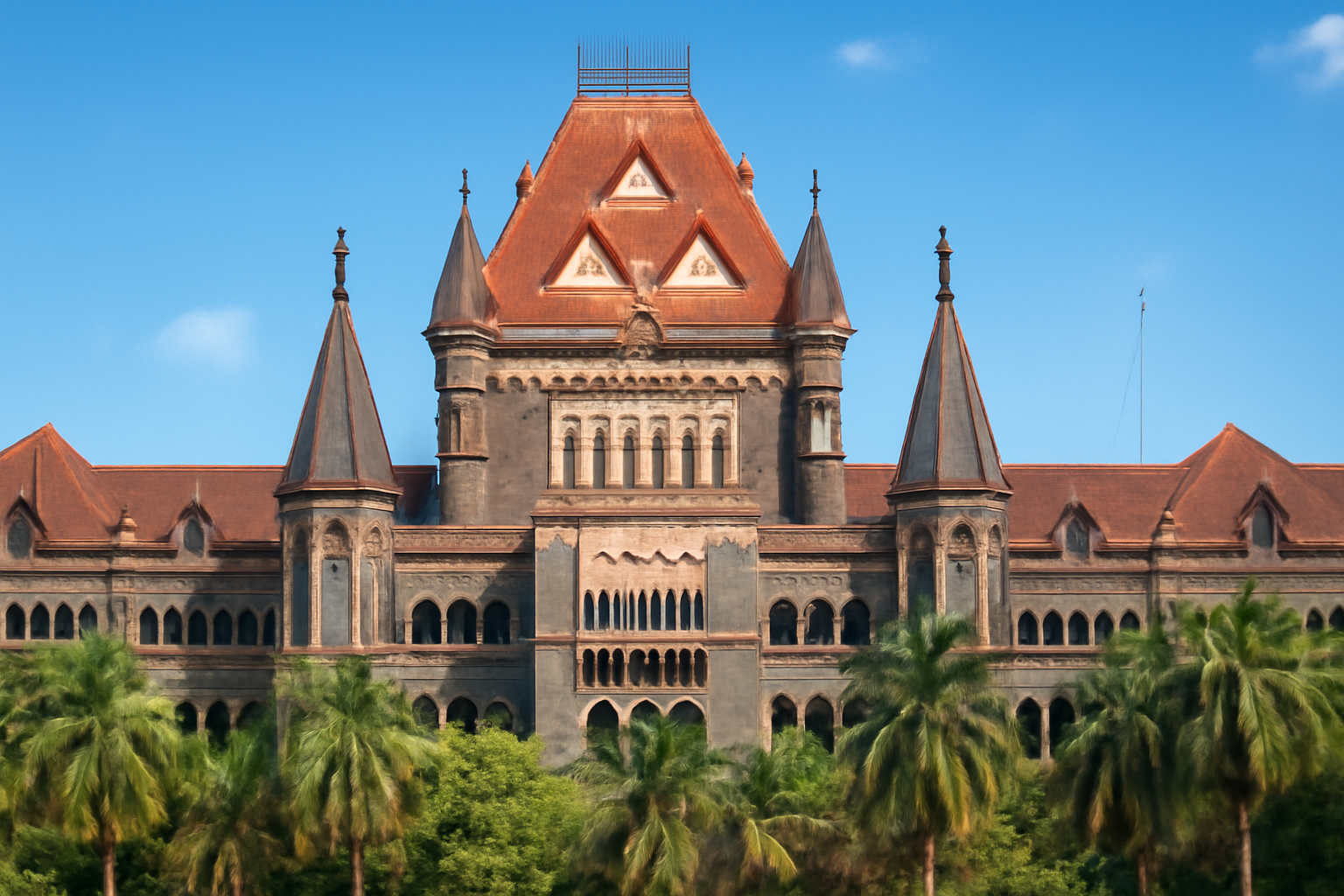
In a landmark judgment, the Bombay High Court on Monday acquitted all 12 men convicted in the 2006 Mumbai train blasts case, including five who were on death row, stating that the prosecution had “utterly failed” to prove the case beyond a reasonable doubt.
The verdict brings to a dramatic close one of India’s most high-profile terror cases, nearly two decades after the horrific blasts that killed 189 people and injured over 800 during peak-hour travel in Mumbai’s suburban railway network.
What the Court Said
The division bench comprising Justices Revati Mohite Dere and Gauri Godse observed that the trial court had wrongly convicted the accused, and that the evidence presented was “fraught with inconsistencies, contradictions, and serious procedural lapses.”
“The prosecution has utterly failed to bring home the guilt of the accused,” the court noted in its detailed ruling.
The court also raised questions over the credibility of confessional statements, which were recorded under the now-repealed Maharashtra Control of Organised Crime Act (MCOCA), suggesting that they lacked voluntariness and corroboration.
Who Are the Acquitted?
The 12 men, who were previously convicted in 2015 by a special MCOCA court, have now been fully acquitted of all charges. Among them:
- Five were sentenced to death
- Seven were serving life imprisonment
These individuals have already spent between 17 to 19 years in prison. Some were in their early twenties when arrested and are now nearing their forties.
Backstory: The 7/11 Blasts
On July 11, 2006, seven bombs exploded within 11 minutes in first-class compartments of Mumbai’s crowded local trains. The attacks targeted trains on the Western Line, leaving a trail of devastation across Mahim, Bandra, Jogeshwari, Borivali, and other stations.
The blasts were initially attributed to a wider terror conspiracy allegedly involving Pakistani nationals and operatives of the banned Students Islamic Movement of India (SIMI) and Lashkar-e-Taiba (LeT).
The case involved one of the largest anti-terror investigations in India, resulting in over 5,500 pages of chargesheets and testimonies from 200+ witnesses.
Legal and Human Rights Fallout
The acquittal has reignited debates on wrongful prosecution, the abuse of anti-terror laws, and the delays in the judicial process. Rights groups and legal experts say the case exposes deep flaws in India’s criminal justice system.
Some family members of the acquitted broke down outside the court, stating that “justice was delayed but finally delivered.” Others decried the years lost behind bars despite the absence of conclusive evidence.
The Maharashtra government is likely to examine the possibility of appealing the High Court’s decision in the Supreme Court. Meanwhile, legal activists are calling for compensation and rehabilitation for those acquitted.




