



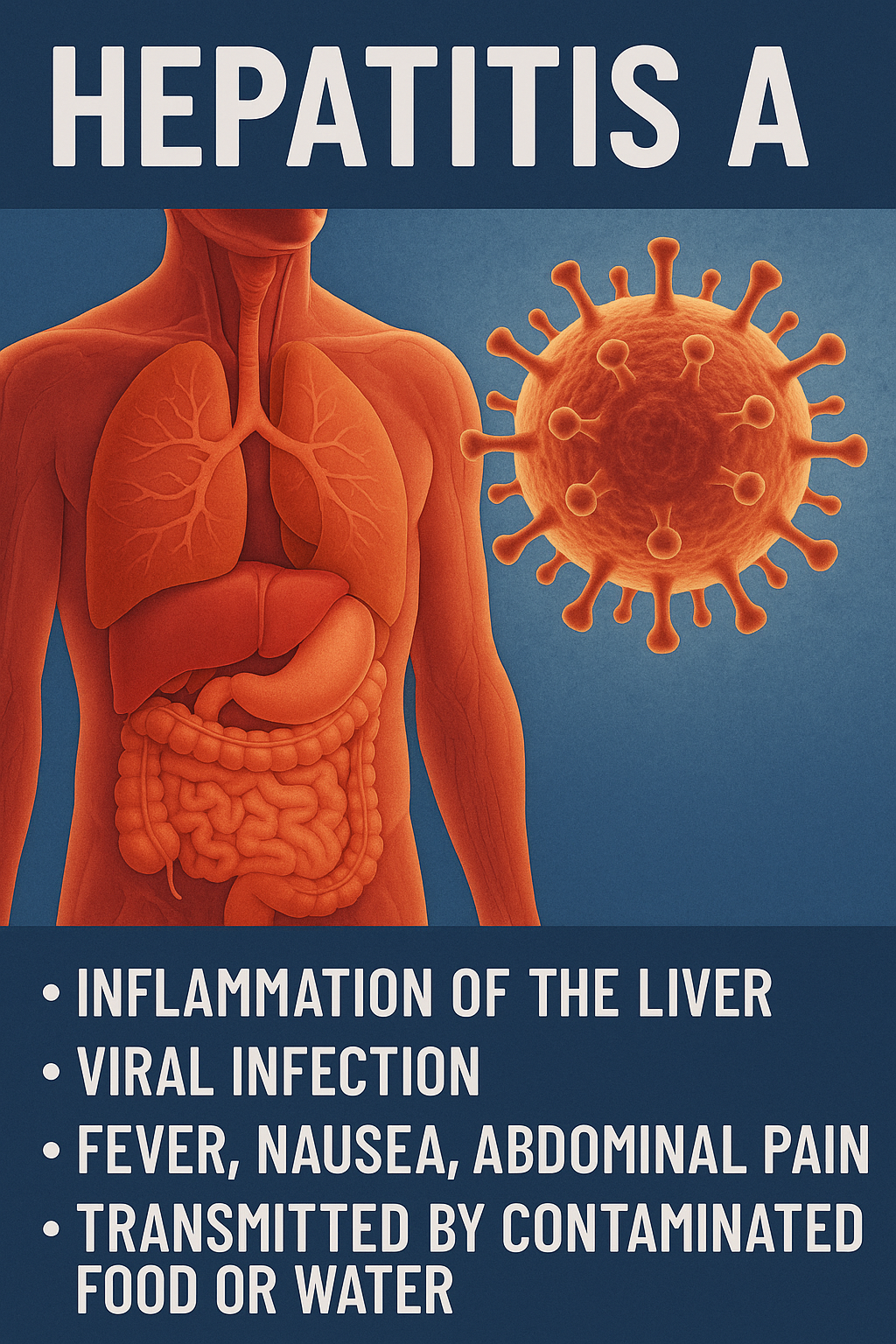
Pune is witnessing a concerning surge in Hepatitis A cases, with infections reportedly doubling in the last month, according to city health officials. The seasonal uptick is being linked to contaminated drinking water, a common issue during the monsoon months in urban India.
Health authorities have issued alerts to hospitals and the general public, urging vigilance as the infection, though preventable, can pose serious health risks, especially for children and the elderly.
What’s Driving the Spike?
Medical experts and Pune Municipal Corporation (PMC) officials point to sewage leaks mixing with drinking water supplies in some city areas, especially low-lying localities with aging infrastructure. Flooded streets, overflowing drains, and water stagnation during heavy rains are contributing to the contamination risk.
Samples from several areas, including Kondhwa, Bibwewadi, and Warje, showed the presence of Hepatitis A virus, prompting immediate action to test and treat suspected cases.
Understanding Hepatitis A
Hepatitis A is a highly contagious liver infection caused by the Hepatitis A virus (HAV), typically spread through ingesting contaminated food or water. It is more prevalent in areas with poor sanitation or unsafe drinking water conditions that intensify during monsoons.
Though it usually resolves on its own in healthy individuals, the infection can lead to acute liver inflammation, fatigue, and, in rare cases, severe complications, particularly in those with pre-existing liver disease.
Key Symptoms to Watch
Doctors emphasize that Hepatitis A often begins with mild or no symptoms, making it difficult to detect early. When symptoms appear, they may include:
- Sudden fever
- Fatigue
- Loss of appetite
- Nausea or vomiting
- Yellowing of skin or eyes (jaundice)
- Dark-colored urine
- Abdominal discomfort
Who’s Most at Risk?
Children under the age of 10 are most vulnerable, particularly those in densely populated or underserved areas. However, adults without prior exposure or vaccination also face significant risk. Individuals with compromised immunity, existing liver conditions, and pregnant women are urged to be especially cautious.
Preventive Measures
Health experts recommend the following to curb the spread:
- Boil drinking water or use water purifiers
- Wash fruits and vegetables thoroughly
- Avoid street food during the monsoon
- Practice good hand hygiene
- Ensure timely vaccination—the Hepatitis A vaccine is safe and effective
PMC officials also urge housing societies and local bodies to monitor water tanks and report leaks or contamination swiftly.
Public Health Response
The PMC is increasing water quality checks across the city and setting up awareness campaigns to educate residents. Healthcare centers are on alert for early diagnosis and treatment.
As monsoon-related infections rise, this outbreak is a reminder of the importance of public health infrastructure, safe sanitation, and community awareness in preventing disease spread.




