



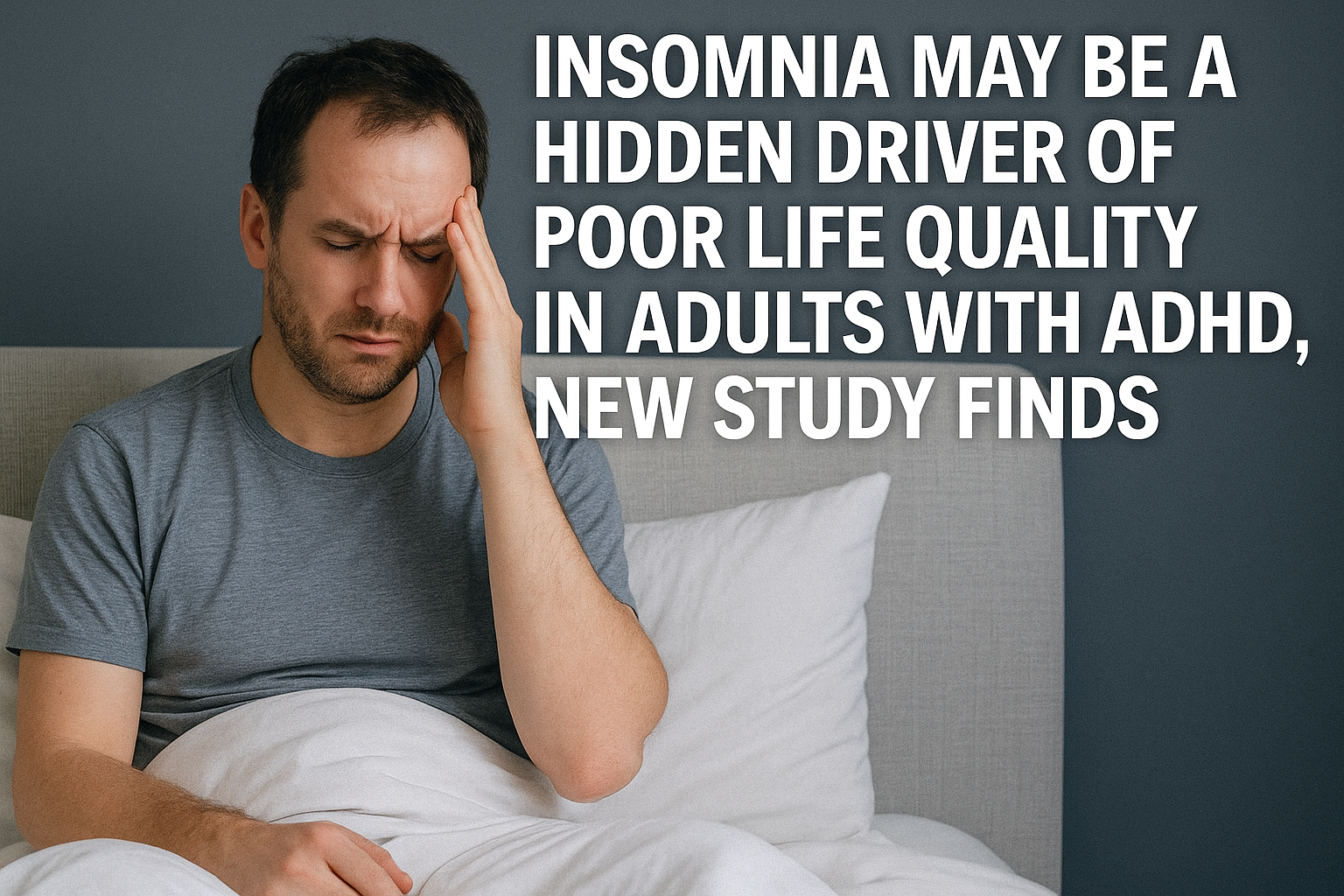
A new study has shed light on a critical but often overlooked link between insomnia and reduced quality of life in adults with ADHD traits, highlighting the role of pre-sleep arousal and sleep disturbances in exacerbating daily struggles.
Researchers found that adults with attention-deficit/hyperactivity disorder (ADHD) traits often experience heightened arousal before sleep, which leads to chronic insomnia and, in turn, significantly impacts their emotional well-being, cognitive function, and daily performance.
The study, published in a peer-reviewed medical journal and cited by Indian and global media, involved participants with varying degrees of ADHD characteristics. It measured sleep patterns, quality of life indicators, and the presence of insomnia-related symptoms.
“Sleep issues are not just side effects in adults with ADHD—they could be central contributors to distress and dysfunction,” said the lead researcher.
Pre-Sleep Arousal and Its Role
One of the standout findings of the research was the link between pre-sleep arousal (heightened physical and emotional alertness before bedtime) and sleep onset difficulty. Individuals with ADHD traits often report racing thoughts, restlessness, and heightened sensitivity, making it difficult to fall asleep, even when physically tired.
This cycle often leads to chronic insomnia, which further disrupts mental clarity, emotional regulation, and productivity during the day.
Decline in Life Satisfaction
The study’s results showed that participants who struggled with both ADHD traits and insomnia reported a significantly lower quality of life, with common complaints including:
- Reduced focus and memory
- Increased irritability and stress
- Poor academic or workplace performance
- Low motivation and social withdrawal
By contrast, adults with ADHD traits but better sleep hygiene reported noticeably higher well-being scores.
Addressing Sleep May Unlock Better Outcomes
The findings call for a greater focus on sleep treatment in ADHD care, especially for adults. Behavioral sleep therapy, mindfulness practices, and targeted cognitive-behavioral approaches could potentially ease pre-sleep arousal and improve life quality, even without changing core ADHD symptoms.
“This opens a new frontier in ADHD management—treating sleep may be as vital as managing attention and impulsivity,” researchers concluded.




