



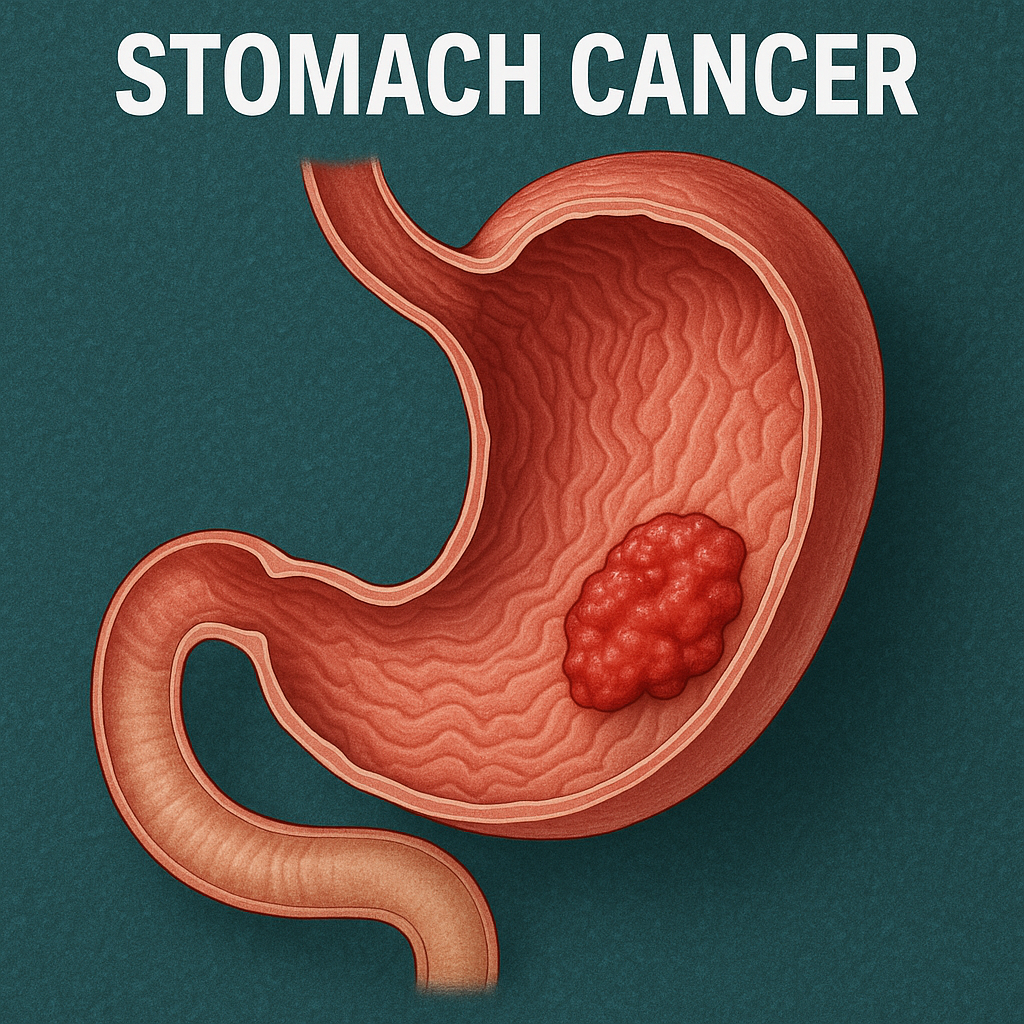
A silent bacterial infection, Helicobacter pylori (H. pylori), may be the hidden culprit behind a looming global stomach cancer crisis, according to a groundbreaking international study published in Nature Medicine. The research predicts that over 15 million individuals born between 2008 and 2017 may develop gastric cancer in their lifetime due to untreated H. pylori infections.
The Hidden Danger of H. pylori
pylori is a bacterium that infects the stomach lining, often without symptoms. While it can remain dormant for years, it’s increasingly recognized as a Group 1 carcinogen by the World Health Organization. Left untreated, it can inflame the stomach lining, causing ulcers and, over time, leading to gastric adenocarcinoma, the most common form of stomach cancer.
The new study modeled global infection trends and concluded that many infections occur in childhood, especially in developing nations, and are often never diagnosed or treated.
Alarming Cancer Projections
Researchers warn that the rise in undiagnosed H. pylori cases could result in millions of avoidable cancer deaths by 2100. Children infected early are especially at risk due to the long latency period between infection and the development of cancer.
“This is a silent epidemic. We are potentially facing a preventable cancer crisis unless public health strategies are updated,” said Dr. Karen Canfell, a co-author of the study.
Who Is Most at Risk?
The study suggests the highest burdens will be in Asia, Latin America, and parts of Africa, where sanitation infrastructure and access to healthcare are limited. However, the threat is not exclusive to developing nations. In countries like India and China—where the bacteria is widespread—routine screening and eradication programs are limited.
People born between 2008 and 2017 are flagged as most vulnerable due to early exposure and the long window for disease progression.
Call for Preventive Action
Experts are now urging governments and health agencies to implement mass H. pylori screening and eradication programs, especially among children and young adults.
Dr. Meera Venkatesh, a gastroenterologist, stated:
“Detecting H. pylori early and treating it with antibiotics could significantly reduce gastric cancer incidence.”
The study also calls for increased public awareness, improved hygiene measures, and enhanced access to diagnostic tools like breath tests and stool antigen detection.
Global Implications
This research amplifies the need for preventive healthcare in combating future cancer outbreaks. With gastric cancer being one of the top three causes of cancer-related deaths globally, addressing H. pylori infections may offer one of the most cost-effective ways to reduce the cancer burden in the coming decades.




