



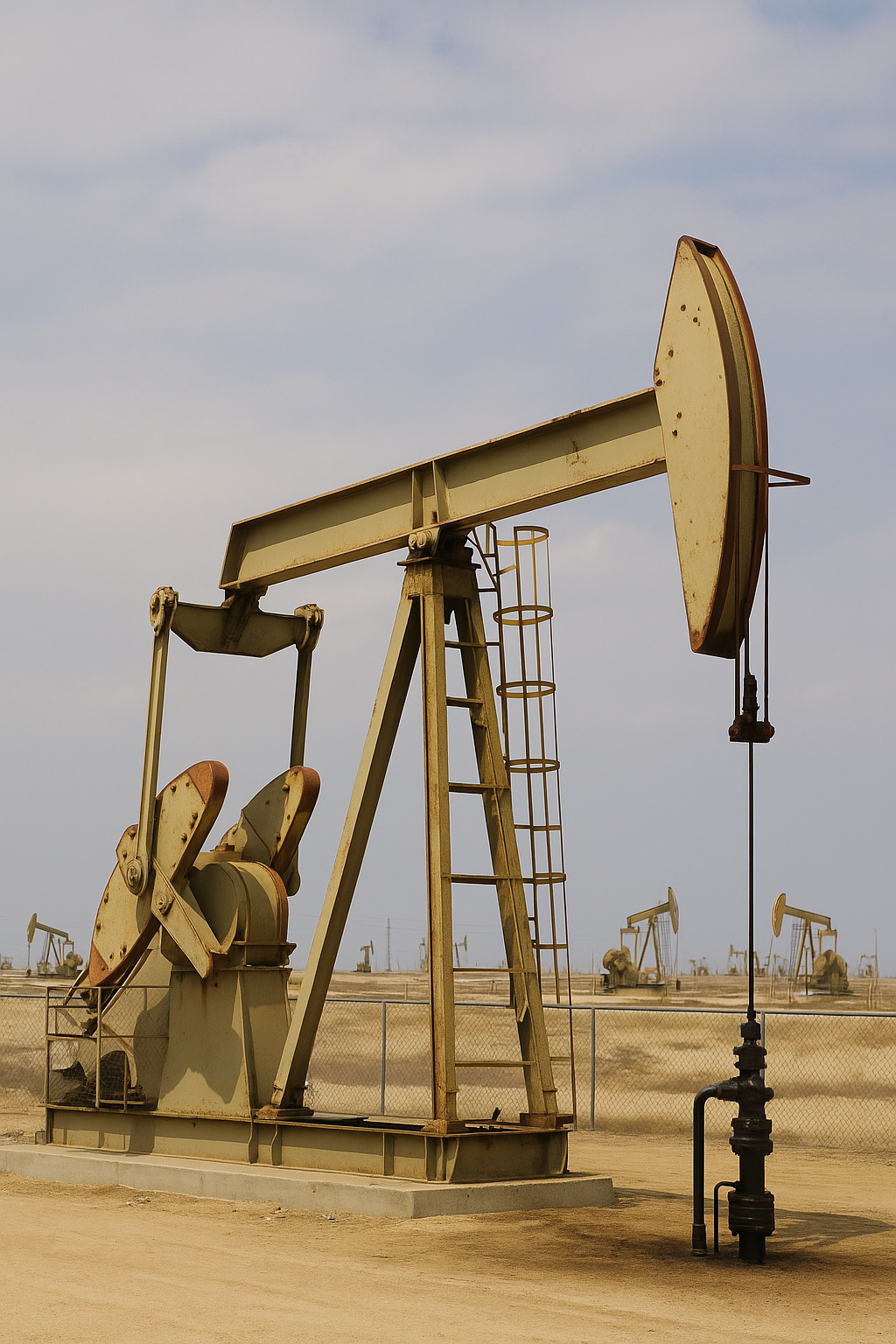
Crude oil prices edged lower in early trading as investors brace for a potential increase in supply from OPEC+ and rising fears over global trade tensions. Brent crude futures slipped to $84.70 per barrel, while West Texas Intermediate (WTI) was down to around $80.20, marking a near 1% drop from the previous day.
This downward pressure comes amid signals that the Organization of the Petroleum Exporting Countries (OPEC) and its allies may gradually ease voluntary production cuts later this year, leading to a potential supply surplus in the second half of 2025.
What’s Driving the Decline?
- OPEC+ Supply Signals
Reports suggest that some members of the oil cartel, especially Saudi Arabia and Russia, are in favor of increasing crude output if demand conditions stabilize. Traders now anticipate that output could rise in Q3 or Q4 2025, reversing previous cuts that helped stabilize prices earlier this year.
- Weak Global Demand Outlook
Economic uncertainty in key markets like China and the Eurozone is dampening expectations for robust oil consumption. Slower-than-expected industrial activity and subdued freight demand are contributing to a soft demand scenario, particularly in Asia.
- Tariff Risks Reemerge
The U.S. and European Union are reportedly reviewing new tariff measures against Chinese goods, sparking fears of a renewed trade war that could hurt global growth and, by extension, energy demand. Equity markets in Asia ticked higher cautiously, but oil markets remain on edge.
Market Reactions
- Equities in Asia showed modest gains, with the Nikkei 225 and Hang Seng Index rising marginally, signaling cautious investor optimism.
- U.S. Treasury yields dipped slightly as traders factored in the Fed’s recent hints of a prolonged pause in interest rate hikes.
- The U.S. Dollar Index held steady, which typically puts additional pressure on dollar-denominated commodities like crude oil.
Analyst Views
Analysts warn that the oil market could face a delicate balance in the coming months.
“A premature increase in OPEC+ supply could flood the market and keep prices capped, especially if global demand doesn’t pick up in tandem,” said Michael Tran, Global Energy Strategist at RBC Capital Markets.
“Geopolitical risks are also being repriced lower after the Israel-Iran ceasefire appears to be holding, reducing the risk premium in oil markets,” noted an FXEmpire report.
What to Watch Next
- OPEC+ meetings in the coming weeks will be closely monitored for formal announcements on supply changes.
- Data on U.S. crude inventories and Chinese industrial activity will also influence short-term market sentiment.
- Traders are also watching how natural gas prices evolve, as they remain sensitive to both supply dynamics and weather forecasts in the northern hemisphere.




