



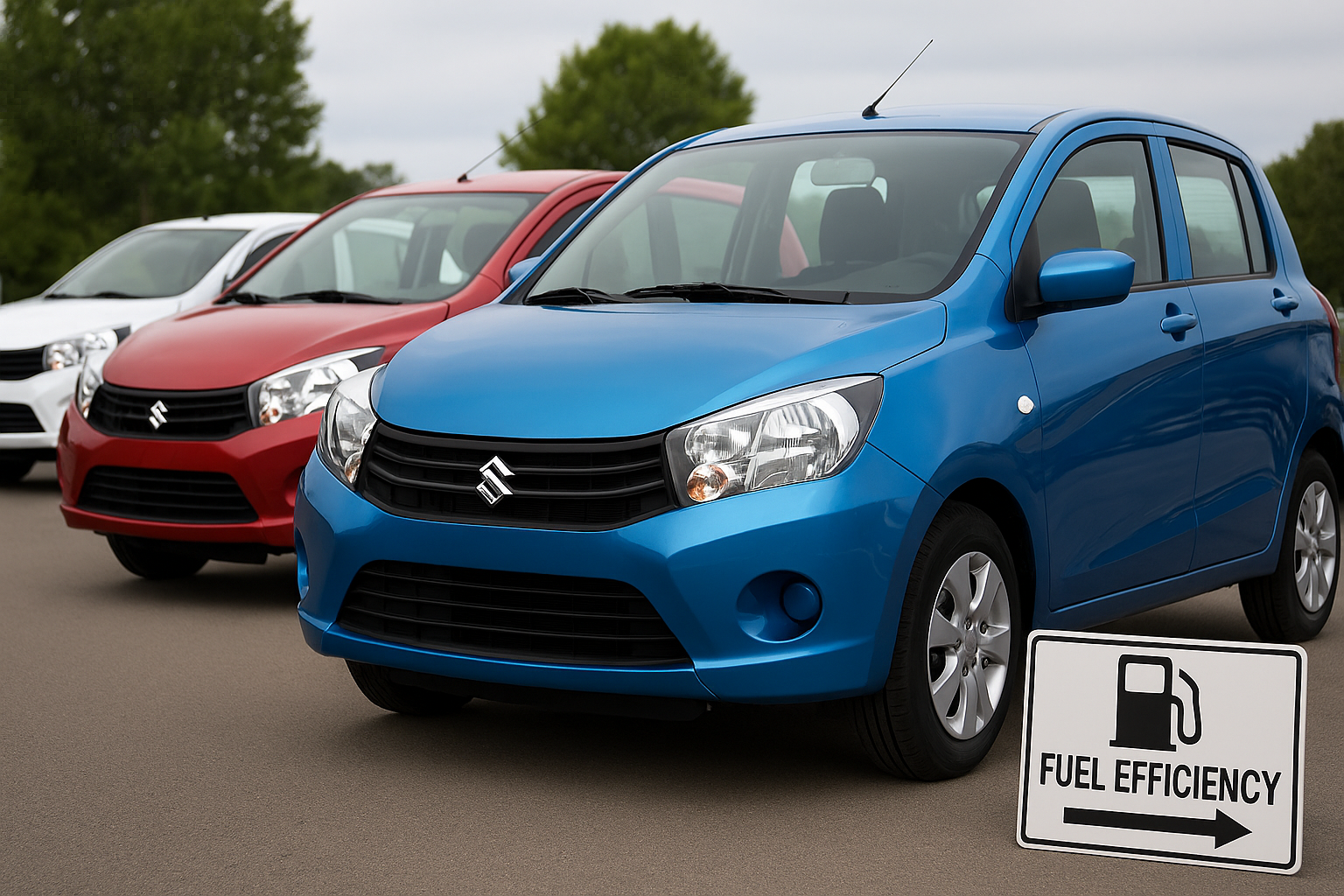
The Indian government is reportedly considering a proposal to ease fuel efficiency regulations for small cars, a move that could benefit automakers like Maruti Suzuki, which dominate the hatchback segment. The discussions come amid industry concerns that stricter fuel economy standards could make small, affordable vehicles more expensive and technologically unviable for budget-conscious buyers.
According to an Economic Times report, the Ministry of Road Transport and Highways is evaluating potential modifications to Corporate Average Fuel Economy (CAFE) norms for smaller cars. If approved, this shift may offer breathing space to manufacturers relying on internal combustion engine (ICE) models, especially in the entry-level market.
Why the Shift Is Being Considered
The pressure to review fuel norms stems primarily from automakers’ concerns that meeting the next phase of CAFE-II norms, effective from 2027, would require costly upgrades — including hybrid or electric transitions — that could price out mass-market buyers. Maruti Suzuki, India’s largest carmaker, has reportedly raised this issue in multiple policy consultations, arguing that tighter norms disproportionately affect smaller cars due to their limited scope for advanced technologies at scale.
“Stricter efficiency norms could endanger the viability of the small car segment, which is essential for India’s mobility landscape,” a senior executive from Maruti was quoted as saying in several reports.
Impact on Consumers and the Market
The move could have a dual impact:
- Positive for Buyers: If the norms are eased, manufacturers may not need to significantly increase prices to incorporate fuel-saving technologies, thus preserving affordability in the hatchback segment.
- Negative for Sustainability Goals: Critics argue that relaxing norms contradicts India’s long-term goals for cutting carbon emissions and reducing oil dependence.
Environmental groups have urged caution, noting that any delay in emission-reduction efforts could jeopardize the country’s commitments under the Paris Agreement and its own Net Zero 2070 target.
Who Stands to Gain
Should the proposal move forward, Maruti Suzuki, along with Hyundai and Tata Motors, are likely to benefit, given their strong portfolio of compact vehicles. The revision could also impact the broader strategy of how manufacturers balance internal combustion and electric vehicle development.
The matter is still under review, and no final decision has been made. Industry stakeholders are expected to meet with government representatives later this month to discuss feasible alternatives, such as weight-based standards or incentives for transitional technologies like mild hybrids.
In a market where over 40% of vehicle sales come from small cars, the outcome of this discussion could shape the future of India’s automobile industry.




