



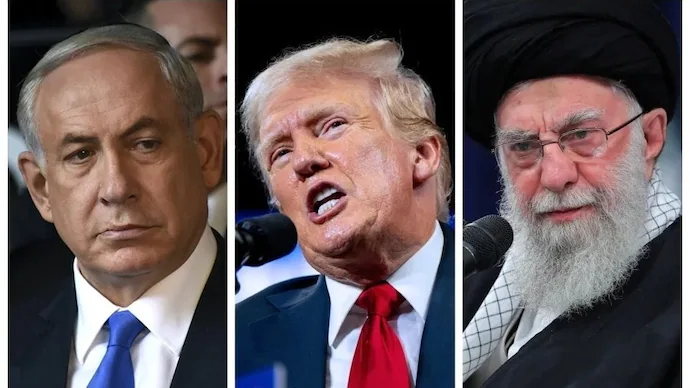
U.S. President Donald Trump declared a “complete and total” ceasefire between Israel and Iran on Monday, marking a potential thaw in 12 days of escalating hostilities. However, the calm was short-lived. Within hours, both sides launched missile strikes, with Israel in particular ordering powerful retaliation following an Iranian barrage that reportedly struck northern cities including Be’er Sheva.
The Ceasefire Announcement
Trump announced the ceasefire via Truth Social during a NATO summit over the weekend, stating, “THE CEASEFIRE IS NOW IN EFFECT. PLEASE DO NOT VIOLATE IT!”. He described it as a step toward ending a conflict that had seen multiple fronts fire across borders, including Iranian missile strikes on U.S. forces in Qatar and Israeli raids against nuclear installations in Iran.
Violations Reported from Both Sides
Despite the truce call, Iran reportedly launched missiles at Be’er Sheva, prompting public sirens and residents to take cover. Israel responded with air strikes targeting hotspots in Tehran and other strategic sites. Iranian state media denied the launches, creating a blur of conflicting claims and counterclaims.
In response, Israeli Defense Minister Israel Katz instructed the military to “mount new strikes” on Tehran, stating Iran had flagrantly breached the ceasefire.
Trump’s Frustration and Warning
Trump voiced strong disapproval, writing:
“Israel. Do not drop those bombs. If you do it, it is a major violation. Bring your pilots home, now!”
He noted that both Iran and Israel had violated the truce, expressing particular disappointment with Israel’s immediate strikes.
Uncertain Ceasefire Amid Escalation Risk
Analysts caution that the week ahead holds significant risks. With missile sirens sounding in Israeli cities, including Be’er Sheva and northern regions, any move to disrupt shipping routes or civilian centres may escalate violence. Some fear the ceasefire may only serve as a temporary lull.
Global and Market Response
The fragile ceasefire briefly eased pressure on oil markets, with Brent crude falling more than 3.5% to $69/barrel on Tuesday as investor fears temporarily eased. Markets remain watchful; any renewed escalation could swiftly push prices back up.
Diplomatic efforts are ongoing: European leaders voice cautious optimism, while U.S. officials mull the next steps, wary of deeper regional entanglement.
What Comes Next
- Monitoring compliance: Will Israel and Iran halt strikes, or continue testing boundaries?
- US engagement: Trump has hinted military intervention could follow persistent violations, including possible bunker-buster use to neutralise Iranian nuclear sites.
- Diplomatic window: A two-week pause may offer space for negotiations, but mutual distrust remains high.
- Economic ripple effects: Energy markets and global oil prices will react to any disruption at the Strait of Hormuz or renewed air strikes.




